
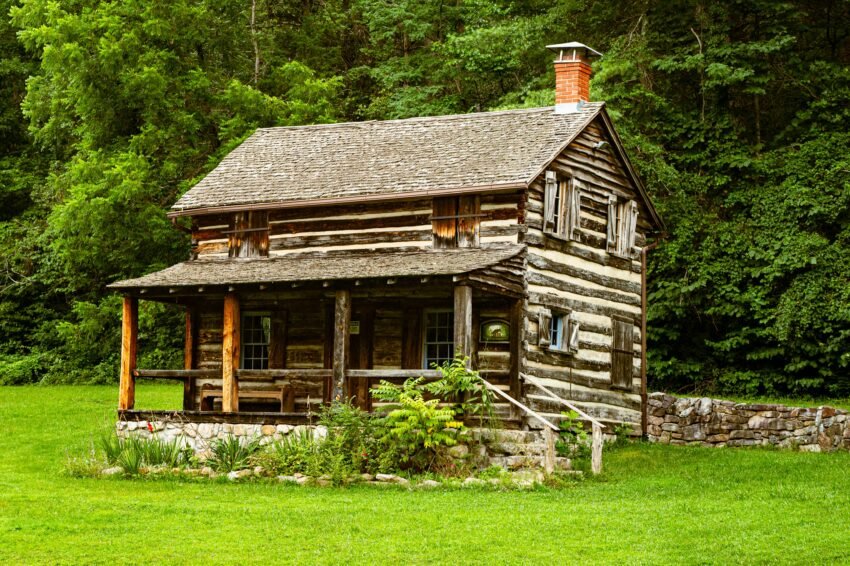

Owning a cabin is a fantastic escape, but it comes with a highly specific set of seasonal responsibilities. When the skies darken and the rainy season rolls in, your rustic retreat faces a serious stress test. Wood and constant moisture are natural enemies. Leaving your cabin exposed to relentless rain without proper preparation is a fast track to expensive structural rot, interior water damage, and severe mold growth. Before the first heavy downpour hits, you have to conduct a thorough exterior audit.
Taking the time to stock up on the right log cabin maintenance supplies ahead of time ensures you have exactly what you need to patch vulnerabilities before they turn into massive leaks. Proactive maintenance is always significantly cheaper than emergency repair work. Let us look at the exact preventative repairs you need to prioritize right now to keep your cabin dry, warm, and structurally sound through the wettest months of the year.
Clearing the Water Pathways
Your gutter system is the absolute most important mechanism for keeping water away from your cabin’s exterior walls. Over the summer and early fall, gutters easily become choked with pine needles, dead leaves, and broken twigs. If you leave this debris sitting in the troughs, the rainwater has nowhere to go.
When clogged gutters overflow, the water spills directly over the edge, creating a continuous waterfall that splashes heavily against your lower logs. This aggressive splashing breaks down the exterior wood finish incredibly fast and invites deep rot. Grab a ladder, clear out the entire gutter system, and run a garden hose down the vertical downspouts to ensure there are no hidden blockages inside the pipes. Finally, check that the downspouts are successfully directing the water several feet away from the base of the foundation.
Patching Your Wooden Armor
Log cabins are dynamic structures. The wood constantly expands and contracts as the temperature and humidity shift throughout the year. This natural movement frequently causes the logs to pull away from each other, creating tiny gaps in the chinking and caulking. Furthermore, the logs themselves will often develop upward-facing cracks known as checks.
If rain falls into an upward-facing check, the water sits trapped inside the wood, slowly rotting the log from the inside out. You need to slowly walk the entire perimeter of your cabin with a heavy-duty caulk gun. Fill in any noticeable cracks in the logs, and repair any sections of chinking that have pulled loose or started to crumble. Sealing these gaps stops driven rain from infiltrating your walls and keeps your interior perfectly dry.
Securing the First Line of Defense
Your roof takes the absolute hardest beating during a heavy storm. A tiny, completely invisible roof leak can cause thousands of dollars in damage to your attic insulation and interior ceiling before you even realize it is happening.
Before the weather turns, safely inspect your roof for any missing, cracked, or curled shingles. Pay extreme attention to the metal flashing around the chimney, the exhaust vents, and any roof valleys. The sealant around these metal joints degrades rapidly under the harsh summer sun. If the flashing looks loose or the roofing cement is cracking, apply a fresh bead of heavy-duty exterior roofing sealant. Securing these transition points prevents wind-driven rain from sneaking under the shingles.
Refreshing the Waterproof Barrier
The stain and sealant on your cabin do much more than just make the wood look beautiful; they act as a vital waterproof skin. Over time, heavy ultraviolet exposure from the sun breaks down this protective layer, leaving the raw wood completely vulnerable to moisture absorption.
You can easily test the health of your current sealant by splashing a cup of water against a few different logs, especially those on the south-facing wall that get the most sun. If the water immediately beads up and rolls off, your sealant is still doing its job. However, if the water instantly absorbs into the log and turns the wood a dark color, your protective barrier has entirely failed. You need to apply a fresh coat of high-quality, water-repellent exterior stain before the rainy season locks in.
Sealing the Vulnerable Openings
Windows and exterior doors are massive weak points in your cabin’s defense against the elements. The rubber weatherstripping around these frames gets brittle and flattens out over time. When a severe storm pushes heavy rain sideways, water will easily find its way through these compromised seals, soaking your interior windowsills and ruining your hardwood floors.
Open every single window and door in the cabin and inspect the weatherstripping. If it feels hard, cracked, or completely flat, rip it out and install fresh stripping. Additionally, check the exterior perimeter of the window frames. If the exterior window caulk is peeling, scrape it away and apply a fresh, continuous bead to completely seal the gap between the window unit and the wooden logs.
Grading the Surrounding Soil
Water should always flow away from your cabin, never toward it. Over several years, the soil around your foundation will naturally settle and compact, often creating a slight slope that directs groundwater straight back into your lower logs or basement.
Take a walk around the property and look closely at the dirt resting against the foundation. If you notice any low spots or puddles forming near the base of the walls, you have a grading problem. Buy a few bags of topsoil and build up the dirt right against the foundation, creating a gentle downward slope that carries rainwater naturally away from the structure.
Protecting Your Investment
A cabin is a massive financial and emotional investment. Letting a few missing shingles or a cracked line of caulking ruin your beautiful property is a terrible waste. By taking a weekend to clean out your water pathways, inspect the roof, patch the wooden exterior, and secure your windows, you build an impenetrable shield against the coming weather. Staying highly proactive with your seasonal maintenance guarantees that when the heavy rain finally starts falling, you can sit comfortably by the fire, knowing your cabin is completely secure.