
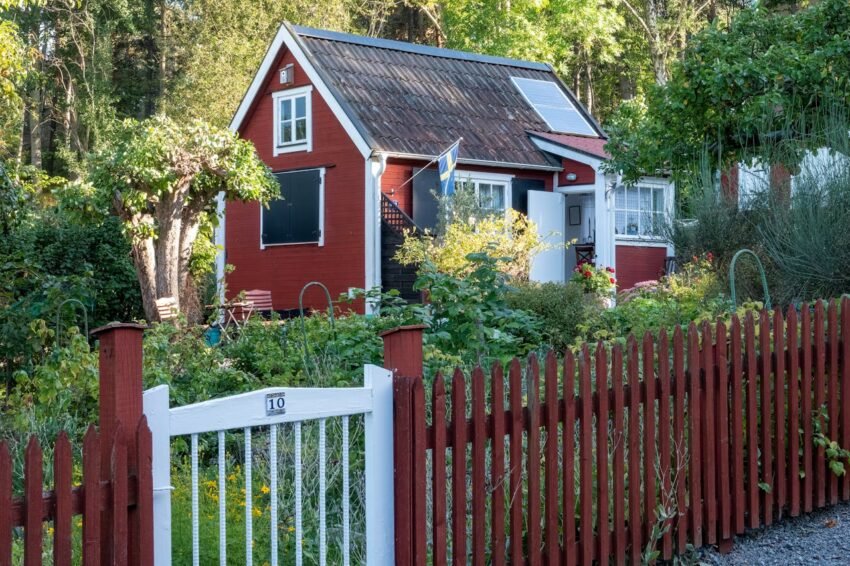

Fencing is often one of the first things installed in a garden, yet it’s rarely the first thing people think about when planning improvements. Plants, patios, and outdoor furniture tend to get the attention, while fencing quietly does its job in the background. But the truth is, the right fencing can completely change how a garden functions and how enjoyable it feels to spend time outside.
Good fencing isn’t just about marking boundaries. It creates privacy, adds structure, protects plants, and helps define different areas of your outdoor space. Whether you’re working with a small suburban garden or a larger family plot, thoughtful fencing choices can make everything feel more cohesive.
Why Fencing Is More Than Just a Boundary
Many homeowners only consider fencing when repairs are needed or panels begin to lean. However, modern Fencing options offer far more than basic practicality.
A well-chosen fence can:
- Reduce noise from nearby roads or neighbours
- Improve security and safety for children and pets
- Provide shelter for plants from wind exposure
- Enhance overall garden design
In many ways, fencing acts as the frame around your outdoor space. Just as a picture frame enhances artwork, the right fence enhances everything within the garden.
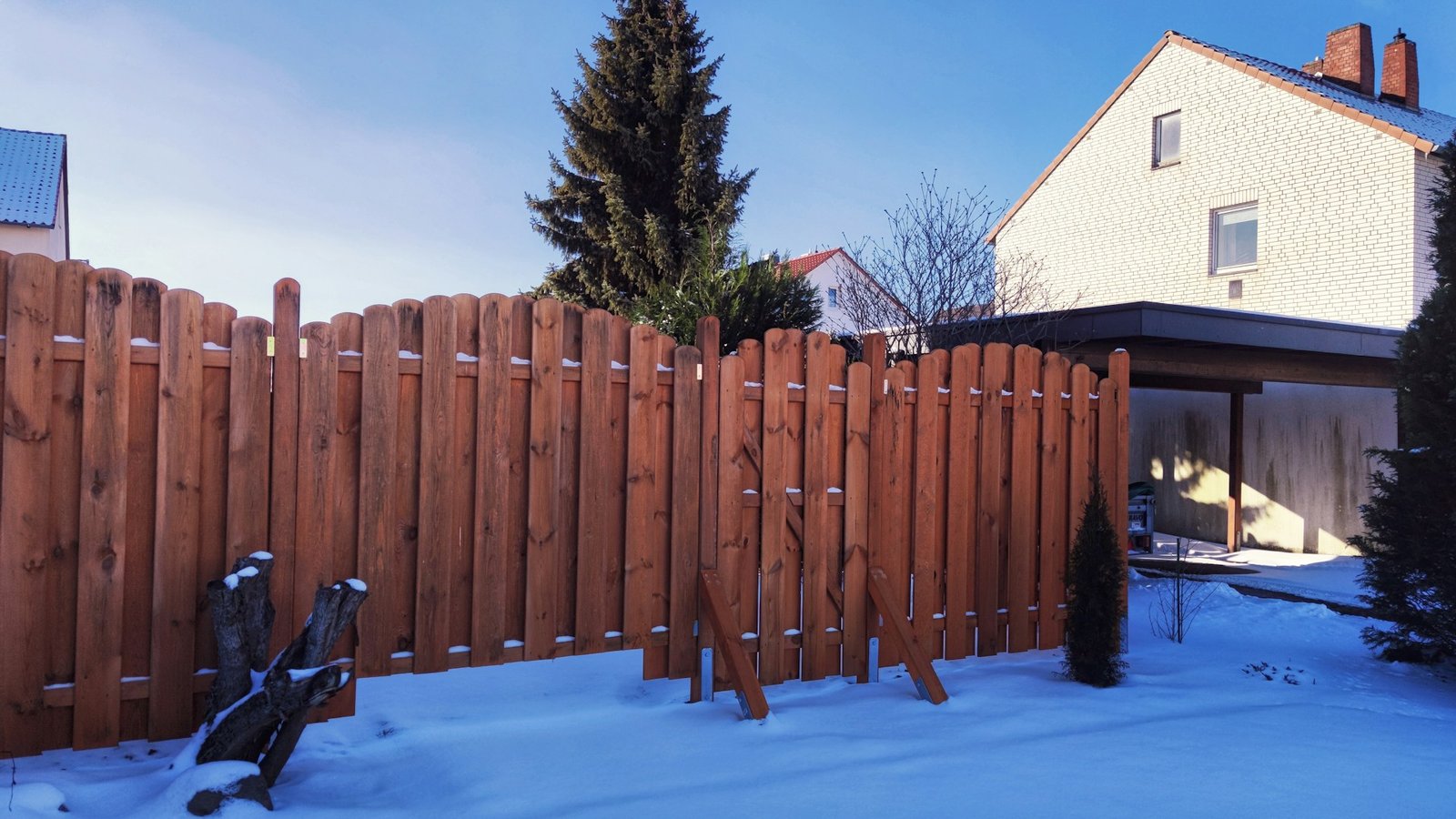
Matching Fencing to Your Lifestyle
Every garden serves a slightly different purpose. Some are designed for relaxing weekends, others for entertaining guests, and many need to accommodate family life with play areas and seating zones.
Your fencing should support how you actually use the space.
For example, families often prioritise privacy and durability, while keen gardeners may want structures that support climbing plants. Those creating modern outdoor living areas might prefer cleaner lines that complement decking or contemporary landscaping.
Thinking about daily use helps guide decisions on height, materials, and style.
Introducing Trellis: A Versatile Garden Feature
One of the most overlooked yet versatile fencing additions is Trellis. While technically a fencing component, trellis panels serve both practical and decorative purposes.
Trellis can be installed above fence panels to increase height without making the garden feel enclosed. It’s also perfect for encouraging climbing plants such as jasmine, clematis, or roses, allowing greenery to become part of the boundary itself.
Rather than creating a solid wall, trellis introduces texture and softness, blending structure with nature.
Creating Privacy Without Losing Light
A common concern with fencing is that higher panels can make a garden feel smaller or darker. This is especially true in compact urban spaces where sunlight is already limited.
Combining solid fencing with trellis sections provides a smart solution. The lower panels maintain privacy, while the open lattice design allows light and airflow to pass through.
This layered approach creates separation without heaviness, helping gardens feel enclosed yet open at the same time.
Modern Trends in Garden Fencing
Garden design has evolved significantly over the past decade. Outdoor spaces are now treated as extensions of the home rather than purely functional areas.
Current fencing trends include:
- Natural wood finishes instead of heavy staining
- Horizontal or slatted designs for a modern look
- Mixed materials paired with planting features
- Integrated lighting along fence lines
- Vertical planting supported by trellis panels
Homeowners are increasingly viewing fencing as part of overall garden styling rather than simply a necessity.
Durability and Maintenance Considerations
The UK climate places constant demands on outdoor materials. Rain, frost, and seasonal temperature changes mean fencing must be built to last.
Pressure-treated timber remains a popular choice because it resists rot and insect damage. Regular maintenance, such as staining or sealing, helps extend lifespan and keeps panels looking fresh.
Placement also matters. Ensuring proper installation with secure posts and adequate drainage prevents many common problems, including leaning or premature wear.
A well-installed fence can last many years with minimal upkeep.
Using Fencing to Divide Garden Spaces
Fencing doesn’t always have to sit around the perimeter. Many homeowners now use shorter sections or decorative panels internally to create zones within the garden.
For example:
- Separating dining and play areas
- Screening storage spaces or bins
- Creating quiet corners for relaxation
- Supporting kitchen garden sections
Trellis panels are particularly effective for these purposes because they define areas without blocking views entirely.
Boosting Kerb Appeal
First impressions matter, and fencing plays a significant role in how a property is perceived from the outside. A neat, well-maintained fence signals care and attention, subtly improving kerb appeal.
Even simple upgrades — replacing damaged panels or adding coordinated finishes — can make a home look more polished.
For homeowners considering selling in the future, investing in quality fencing is often a practical improvement that enhances overall presentation without major renovation costs.
Planning Before You Install
Before updating fencing, it’s helpful to consider a few practical points:
- Check property boundaries and responsibilities
- Confirm local regulations or height restrictions
- Choose styles that complement your home’s architecture
- Think about long-term maintenance requirements
Taking time to plan ensures your fencing works both visually and practically for years to come.
Final Thoughts
Fencing may not always be the most exciting garden feature, but it plays a foundational role in shaping outdoor spaces. It provides privacy, structure, and security while quietly influencing the atmosphere of the entire garden.
By combining strong boundary panels with flexible features like trellis, homeowners can create gardens that feel both protected and welcoming. The best fencing solutions don’t just divide spaces — they enhance how those spaces are experienced every day.
With thoughtful design and the right materials, fencing becomes more than a necessity. It becomes part of the garden’s character, helping transform an ordinary outdoor area into a space that truly feels like home.