

Introduction
Severe weather can affect a roof in ways that are not always obvious right away. After heavy rain, strong wind, or a major storm, some roofing problems demand immediate attention to prevent additional structural damage. For property owners in New York City, knowing when a roof issue has moved beyond routine repair and into emergency territory can make a major difference in protecting the building and limiting interior damage.
What Counts as an Emergency Roof Problem
Not every roof issue is an emergency, but certain conditions should be addressed as quickly as possible. Active leaks, missing sections of roofing material, punctures caused by falling debris, visible sagging, and flashing that has been torn loose during a storm are all signs that urgent repair may be needed. These problems can expose the structure to ongoing water intrusion and allow damage to spread with every additional rainfall.
In some cases, the emergency is not just about the roof surface itself. Water entering through compromised roofing can affect insulation, ceilings, walls, electrical systems, and structural framing. The more time passes before temporary protection or repair begins, the greater the chance that the damage will extend beyond the roof.
Why Severe Weather Creates Urgent Roofing Risks in NYC
New York City buildings are exposed to a wide range of weather conditions throughout the year, including heavy rain, strong wind, snow, and sudden temperature swings. Roofs in dense urban settings may also have additional stress points such as parapets, roof penetrations, drains, skylights, and older flashing details. During severe weather, these vulnerable areas are often where emergency roofing problems first appear.
Older buildings can be especially susceptible because roofing systems may already have hidden wear before a storm arrives. A roof that seemed stable beforehand may develop immediate problems once wind lifts materials, rain enters weak seams, or debris impacts the surface. In many cases, severe weather does not create an entirely new weakness but exposes one that was already developing.
Signs That Roof Repairs Should Not Wait
One of the clearest signs of an emergency is an active leak inside the property. Water dripping from ceilings, running down walls, or collecting in upper-floor areas is a strong indication that the roof has been compromised. Even if the leak appears small, water may be traveling from a more serious opening above.
Other warning signs include visible roof membrane damage, shingles blown off during a storm, bent or detached flashing, pooling water that does not drain properly, and tree limbs or debris striking the roof. Interior symptoms such as ceiling bulges, sudden discoloration, damp insulation, and musty odors after severe weather may also point to urgent roof damage.
If a section of the roof begins to sag or there is concern about structural weakening, the situation becomes even more serious. Moisture saturation can add weight to already vulnerable materials and increase the risk of collapse or broader failure in the affected area.
Why Delaying Emergency Repairs Can Increase Damage
Once a roof is opened by storm damage, the problem rarely stays contained. Water can spread through hidden cavities, soak wood framing, damage insulation, weaken drywall, and contribute to mold growth. In commercial and multi-unit properties, that moisture may travel farther than expected and begin affecting multiple rooms or levels before the source is fully identified.
Delaying emergency repair also increases the likelihood that a temporary storm-related issue will become a larger restoration project. A small opening that might have been quickly secured can turn into widespread water damage if left exposed through additional rain or changing weather. In many cases, the secondary damage ends up costing more than the original roof repair itself.
The Value of Immediate Professional Assessment
After severe weather, a professional roofing evaluation helps determine whether the situation requires emergency service, temporary protective measures, or a standard repair approach. This is important because not all storm-related issues are visible from the ground, and some damage may be hidden beneath surface materials. A prompt inspection can identify where water is entering, how far the damage extends, and what steps are needed to stabilize the roof.
Property owners searching for roof repair in NYC are often doing so because a recent storm has created uncertainty about whether the roof is still secure. A professional assessment helps remove that uncertainty and makes it easier to act before conditions worsen.
Temporary Protection Matters After a Storm
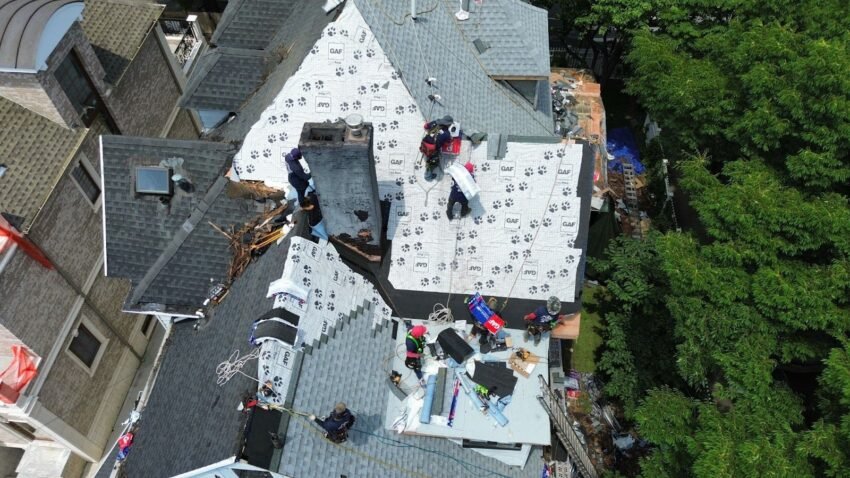
In emergency situations, the first priority is often preventing additional exposure. Temporary measures such as securing damaged sections, covering openings, or stabilizing vulnerable areas can help reduce further water intrusion until permanent repairs are completed. This type of quick response is especially important in New York City, where another round of rain or wind can arrive before the building has had time to dry out.
Temporary protection does not replace full repair, but it can be the key to limiting how much damage develops in the hours and days after severe weather. Acting quickly helps preserve more of the roofing system and reduces the chance that interior materials will need extensive replacement.
Why Ongoing Roof Monitoring Is Important After the Immediate Repair
Even after the most urgent damage has been addressed, follow-up evaluation remains important. Severe weather can leave behind less obvious weaknesses that continue to affect the roof over time. A property owner may solve the active leak only to discover later that nearby flashing, drainage components, or roof edges were also compromised during the same storm.
That is why emergency roofing should be viewed as both an immediate response and the start of a broader inspection process. Making sure the entire roof system is checked after severe weather helps reduce the chance of recurring leaks and protects the long-term condition of the property.
Conclusion
For New York City property owners, emergency roof repairs should be scheduled when severe weather leaves the roof actively leaking, visibly damaged, structurally vulnerable, or exposed to continued water intrusion. Waiting too long can allow a localized problem to spread into ceilings, walls, insulation, and other critical building materials.
By responding quickly after severe weather and arranging professional evaluation, property owners can better protect the structure and limit the overall cost of damage. In many cases, emergency roofing is not just about fixing what is visible—it is about preventing the next stage of the problem from taking hold.