
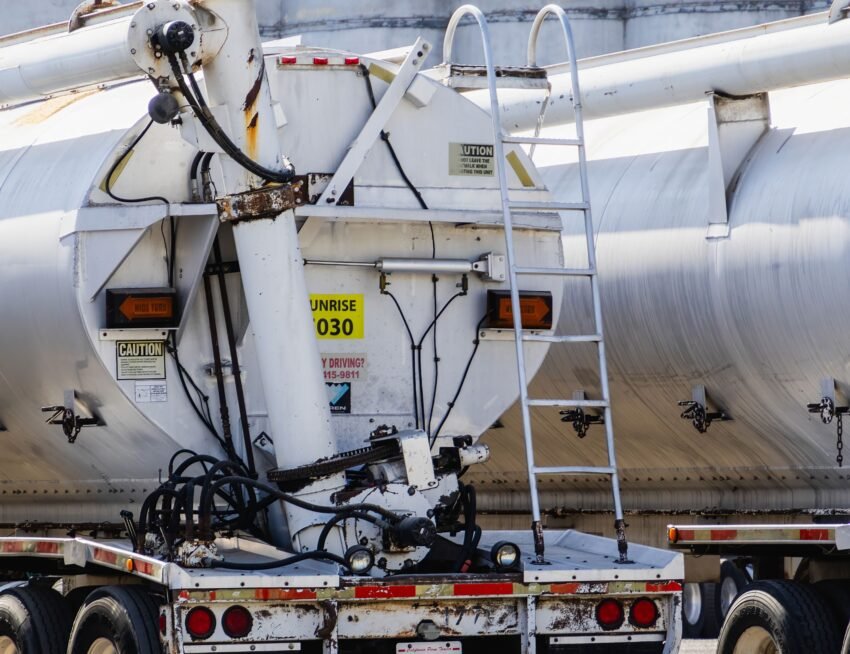

Moving hazardous liquids down the highway isn’t a job for the faint of heart. When you’re dealing with corrosive, flammable, or highly reactive liquids, the stakes couldn’t be higher. A simple leak doesn’t just ruin a shipment; it shuts down interstates, endangers the local community, and creates an environmental nightmare. That’s why the equipment you choose to haul these products is your first and most important line of defense. If your company handles bulk chemical transportation, selecting the right tanker trailer isn’t just a procurement task. It’s a critical risk management decision. You can’t just pick a trailer based on price or volume capacity. You need to look closely at the engineering, the materials, and the specific safety features built into the design. Here are the most important factors you need to evaluate to keep your drivers, the public, and your cargo safe on the road.
Matching the Tank Material to the Cargo
The very first thing you need to consider is what exactly you’ll be putting inside the barrel. Different chemicals react differently to various metals. A standard aluminum tank might be perfect for hauling petroleum products, but it will quickly corrode if you try to fill it with certain acids. Most high-hazard liquids require stainless steel construction, specifically grades like 316L, which resist pitting and corrosion, but even stainless steel isn’t invincible. For highly corrosive materials like hydrochloric acid or sodium hypochlorite, you’ll need a trailer with a specialized interior lining. These rubber or fiberglass-reinforced plastic linings create a barrier between the liquid and the steel shell. If you don’t match the tank material perfectly to the product’s chemical properties, you risk a catastrophic breach from the inside out. Always cross-reference the safety data sheet of your specific product with the manufacturer’s tank specifications.
Securing the Loading and Unloading Points
The weakest points on any trailer aren’t usually the tank walls; they’re the valves, pipes, and connection points. This is where most leaks happen. When evaluating a trailer, pay close attention to the valve configuration. Bottom-loading trailers are often preferred for safety because they keep operators safely on the ground, preventing dangerous falls from the top of the tank. However, bottom-loading systems must feature reliable emergency shut-off valves. These internal safety valves sit flush with the bottom of the tank shell. If a car rear-ends the trailer and shears off the external piping, the internal valve stays perfectly intact, keeping the hazardous contents safely locked inside the barrel. You should also look for trailers with redundant closure systems, ensuring that even if one valve fails, a secondary cap or valve prevents a spill.
Managing Internal Pressure and Temperature
Chemicals are sensitive to their environment. As a trailer drives through different weather conditions, the temperature of the liquid inside can fluctuate. For some chemicals, a rise in temperature causes the liquid to expand and build internal pressure. If the trailer isn’t designed to handle that pressure, the results can be disastrous. You need to ensure the trailer is built to the correct Department of Transportation code for your specific cargo. Additionally, look into the trailer’s pressure relief devices. These vents and burst discs are designed to safely release excess pressure before it compromises the structural integrity of the barrel. If you’re hauling temperature-sensitive resins or specialized liquids, you might also need a trailer with thick layers of insulation and an in-transit heating system to keep the product stable from origin to destination.
Prioritizing Rollover Protection
Tanker rollovers are one of the most dangerous accidents on the highway. Liquid surges inside a smooth-bore tank shift the trailer’s center of gravity unexpectedly, making navigating tight off-ramps or sudden lane changes incredibly perilous. While baffles help control this liquid surge, many chemical trailers can’t use baffles because they make cleaning the tank between different loads nearly impossible. To counteract this, you need a trailer designed with the lowest possible center of gravity. Check the top of the tank for robust rollover protection devices. These are reinforced steel structures built around the manhole covers and top-mounted valves. If the trailer does go over, these structures absorb the impact with the pavement, protecting the fragile valves from being crushed and preventing a large-scale spill.
Investing in Monitoring Technology
Modern safety isn’t just about thick steel and good welds; it’s also about technology. The newest trailers come equipped with advanced telematics systems that do far more than just track GPS location. These smart systems can monitor tire pressure, brake pad wear, and even the internal temperature and pressure of the tank itself. If a valve isn’t closed properly or the brakes start overheating on a steep downgrade, the system instantly sends an alert to both the driver in the cab and the fleet manager back at the office. This real-time data allows you to pull a truck over and fix a minor issue before it turns into a headline-making accident.
Operating a fleet of chemical tankers carries a tremendous amount of responsibility. Every time a driver pulls out of the terminal, they’re trusting that the equipment they’re pulling is built to handle the worst-case scenario. By paying close attention to material compatibility, secure valve designs, pressure controls, and rollover protections, you significantly lower the operational risks. Upgrading to trailers with top-tier safety features might require a larger upfront investment, but it’s a fraction of what a single environmental cleanup or liability lawsuit would cost. Protect your business, protect your drivers, and protect the communities you travel through by making safety the ultimate deciding factor in your equipment purchases.