

When mobility becomes a challenge, the world can suddenly feel a lot smaller. For individuals relying on a wheelchair, simply running a basic errand or visiting a friend requires meticulous planning. Over time, the sheer effort of getting out of the house causes many people to just stay home. While staying in might seem like a harmless convenience, this loss of independence takes a severe toll on a person’s overall lifespan. Fortunately, securing reliable rides isn’t just about convenience; it’s a vital health intervention.
Partnering with a professional wheelchair transportation service acts as a bridge back to the community and the healthcare system. It might sound surprising, but having a dependable way to get around directly influences how long and how well someone lives. Let’s look at exactly how accessible transit contributes to a longer, more vibrant life.
Consistent Access to Preventative Medical Care
One of the biggest hurdles to longevity is missing doctor appointments. When an individual lacks accessible transit, they frequently cancel routine checkups, physical therapy sessions, and specialist visits. They start treating their healthcare reactively rather than proactively. Instead of catching a minor heart flutter or a slight change in blood pressure early, they wait until it becomes a full-blown emergency that requires an ambulance and a hospital stay.
Routine care is the bedrock of a long life. By utilizing specialized transport, individuals ensure they make it to their appointments on time, every single time. They can maintain their physical therapy schedules, keeping their muscles active and preventing the rapid decline in strength that often accompanies prolonged sitting. Regular visits to the doctor mean medications are managed correctly and minor ailments are treated before they turn into life-threatening conditions. Catching a problem early is the easiest way to add years to your life, and that requires physically getting to the clinic.
Combating the Silent Threat of Isolation
We often think of health purely in terms of diet, genetics, and exercise, but social connection is just as critical. Chronic loneliness is a recognized health crisis, particularly for those with limited mobility. Studies continuously show that severe isolation impacts the body much like smoking cigarettes daily. It weakens the immune system, elevates blood pressure, and significantly increases the risk of cognitive decline and dementia.
When transportation barriers trap someone in their home, their social circle shrinks rapidly. They miss family gatherings, community events, and church services. A dedicated transit service changes this dynamic entirely. It empowers individuals to RSVP yes to birthday parties, meet friends for coffee, or simply spend a sunny afternoon at the local park. Maintaining these active social ties keeps the brain engaged and fosters a strong sense of purpose. People who feel connected to their community naturally want to take better care of themselves, which is fundamentally tied to living a longer, happier life.
Reducing the Risk of Physical Injury
Getting into a standard car or a rideshare vehicle is a dangerous task for someone with limited mobility. Relying on well-meaning but untrained friends or family members to help with transfers frequently leads to accidents. A slip on the driveway, a bumped head on a doorframe, or a strained back while shifting from a wheelchair to a car seat can cause devastating injuries. For older adults or those with fragile bones, a single fall often triggers a downward spiral in overall health and life expectancy.
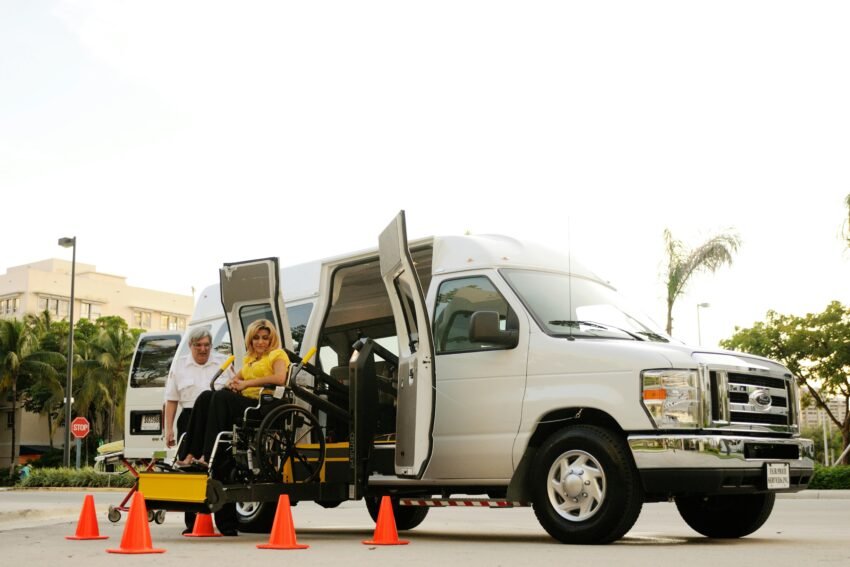
Professional transportation teams are rigorously trained in safe handling and securement. Their vehicles feature motorized lifts, ramps, and reinforced tie-downs, meaning the passenger never even has to leave their chair to board. Removing the physical danger from the boarding process drastically lowers the chances of a life-altering fall. By protecting the individual’s body from unnecessary trauma and accidental drops, professional transport preserves their physical integrity for the long haul.
Lowering Chronic Stress and Anxiety
Worrying about how you’ll get to the pharmacy or whether a neighborhood taxi will actually show up is exhausting. This constant state of uncertainty keeps the body’s stress hormones constantly elevated. Chronic stress wreaks havoc on the cardiovascular system, making the heart work much harder than it should. Over time, this underlying anxiety also disrupts sleep patterns, ruins a person’s appetite, and makes them more susceptible to seasonal illnesses.
Knowing you have a safe, scheduled ride waiting for you eliminates this dread. Professional drivers who understand the specific needs of wheelchair users provide a calm, reassuring presence. The passenger doesn’t have to worry about whether their chair will fit in the trunk or if the driver will be impatient while they load up. This profound peace of mind allows the body to relax, lowering blood pressure and protecting the heart from the damaging effects of chronic worry.
The Path Forward
Transportation is the invisible thread that connects us to the things that keep us alive and well. It links us to our doctors, to fresh groceries, and most importantly, to each other. When you remove the barriers to movement, you give a person their autonomy back. They can manage their health proactively, stay safely engaged with their local community, and enjoy their daily routines without fear of injury or mounting stress. Investing in accessible, reliable rides isn’t just about getting from point A to point B. It’s truly an investment in a longer, richer, and far more connected future.