

Witnessing a total solar eclipse is a true bucket-list experience. The sudden drop in temperature, the twilight glow on the 360-degree horizon, and the surreal sight of the sun’s corona dancing in the darkened sky create a moment you’ll never forget. But catching one of these rare celestial events requires more than just walking out into your backyard. Eclipses happen all over the globe, often crossing over remote oceans or distant continents. If you want to stand in the path of totality, you’ve got to pack your bags and chase it.
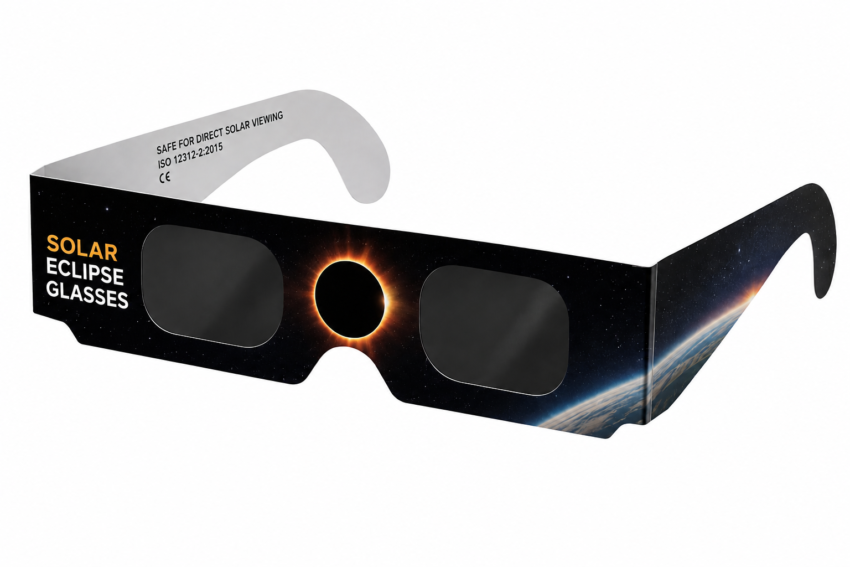
Before booking flights, the most crucial step is making sure you can safely view the event. Staring directly at the sun before it’s fully covered causes severe eye damage, so picking up a pair of certified solar eclipse glasses is a non-negotiable part of your planning. Once your eyes are protected, you can start plotting your global adventure. Here are some essential tips for planning the perfect eclipse-chasing trip.
Map the Path of Totality
The difference between a 99 percent partial eclipse and a 100 percent total eclipse is literally night and day. You don’t want to travel halfway across the world just to see a sliver of the sun remaining. To get the full experience, you must place yourself squarely within the path of totality. This narrow band is usually only about 100 miles wide.
When picking your destination, consult detailed astronomical maps to find the exact centerline of this path. The closer you are to the center, the longer your view of totality will last. While the edge of the path might give you a brief few seconds of darkness, standing near the centerline can offer several minutes of awe-inspiring viewing. Don’t settle for close enough when mapping out your viewing coordinates.
Analyze Historical Weather Patterns
The biggest heartbreak for an eclipse chaser is a cloudy sky. You can plan the perfect itinerary, book the best hotel, and stand exactly on the centerline, but if a thick layer of clouds rolls in, you’ll miss the main event. While you can’t control the weather, you can certainly play the odds.
Once you know the path of totality, start researching the historical cloud cover data for those specific locations during that exact month. Desert regions or high-altitude areas usually offer better chances for clear skies compared to tropical zones or coastal areas prone to morning fog. Always have a backup plan. If you’re renting a car, stay mobile so you can drive a few hours in either direction if the local forecast starts looking grim on the morning of the event.
Book Your Accommodations Years in Advance
If you think booking a summer vacation to a popular beach town is tough, try booking a hotel in a small town that sits directly in the path of a total eclipse. Millions of people travel for these events, and local infrastructure gets easily overwhelmed. Hotels, vacation rentals, and campsites often sell out years in advance.
As soon as astronomical organizations announce the path of an upcoming eclipse, start looking at lodging options. If you wait until six months before the event, you’ll likely face exorbitant price gouging or find yourself staying hours away from the viewing zone. If traditional hotels are booked up, look into renting an RV or finding private landowners who rent out their fields for dry camping. Securing a basecamp early is the best way to reduce travel stress.
Pack the Right Gear
Packing for an eclipse trip requires a bit more thought than a standard vacation. The temperature often drops rapidly as the moon obscures the sun, so bringing layers is essential even if you’re traveling to a warm climate. You’ll also need a comfortable camp chair, plenty of water, and snacks, as you might be sitting in a remote field for hours waiting for the show to begin.
When it comes to photography, it’s tempting to spend the entire event looking through a camera viewfinder. If it’s your first eclipse, strongly consider leaving the complex camera equipment at home. Fiddling with exposure settings and tripod mounts creates unnecessary stress during a very brief window of time. Instead, just wear your protective eyewear, soak in the environment, and let the professional photographers handle the high-resolution images.
Prepare for the Traffic
Getting to your viewing spot is usually pretty easy since travelers arrive over a staggered period of a few days. Leaving, however, is a completely different story. The moment totality ends, almost everyone jumps into their cars at the same time to head home. This mass exodus turns quiet country roads into gridlocked parking lots.
Don’t rush to the exit. Instead, plan to stick around your viewing spot for a few hours after the eclipse finishes. Pack a cooler with lunch, bring a deck of cards, and just relax while the initial rush of traffic dies down. Better yet, book your lodging for the night of the eclipse so you don’t have to navigate the crowded highways until the next morning.
Enjoy the Local Culture
Finally, remember that you’re visiting a new part of the world. While the eclipse is the main draw, don’t let it be the only thing you experience. Spend a few extra days exploring the local towns, eating regional food, and supporting the small businesses hosting this influx of visitors. Traveling for an eclipse offers a fantastic excuse to see parts of the globe you might never have visited otherwise. By planning carefully, staying flexible, and protecting your vision, you’ll set yourself up for a spectacular celestial adventure.