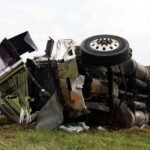


West Palm Beach drivers should prioritize safety, call 911, obtain medical care, and document the truck, roadway, witnesses, and injuries after a crash.
Truck collisions may involve fatigue, blind spots, cargo problems, maintenance failures, or unrealistic delivery demands, creating complex liability questions.
Florida PIP may initially cover medical bills and lost wages, while serious injuries can support additional damages.
Because important evidence and legal deadlines require prompt attention, injured drivers may benefit from speaking with West Palm Beach Personal Injury Lawyer at The Law Offices of Anidjar and Levine.
Main Takeaways
- Prioritize safety, call 911, obtain medical attention, and avoid discussing fault or speculating at the accident scene.
- Document vehicle damage, road conditions, injuries, witnesses, cargo, and available dashcam or surveillance footage.
- Seek prompt medical care, monitor delayed symptoms, follow treatment instructions, and preserve all medical records and receipts.
- Truck crashes may involve driver fatigue, speeding, distraction, overloaded cargo, mechanical failures, weather, congestion, or limited visibility.
- Potentially responsible parties include drivers, trucking companies, shippers, loaders, manufacturers, and contractors; preserve evidence before it disappears.
What Should You Do After a Truck Accident?
After a truck accident in West Palm Beach, an injured person should prioritize safety, seek immediate medical attention, and contact law enforcement. If possible, the person should move away from traffic without disturbing the vehicles or roadway evidence. Calling 911 helps secure the scene and creates an official record.
The person should cooperate with officers, provide accurate facts, and request the report number. Witnesses’ names, contact information, photographs, vehicle positions, visible damage, road conditions, and company markings may support later claims. However, no one should argue about fault or speculate about causes at the scene.
Reporting procedures should include notifying the trucking company and preserving relevant communications, dashcam footage, receipts, and other records. Insurance notifications should be made promptly to the appropriate carrier, but statements should remain factual and limited. A person should avoid signing releases or accepting settlement offers before understanding the claim’s full value. Consulting a qualified truck-accident attorney can help protect rights and guide responsible next steps.
When Should You Get Medical Care?
After a truck accident, injured individuals should seek immediate medical evaluation, even when symptoms seem minor. Since some conditions develop later, they should watch for delayed pain, dizziness, headaches, or other changes and obtain prompt care if symptoms appear. Keeping records of examinations, diagnoses, treatment, and expenses can support both recovery and any resulting claim.
Seek Immediate Evaluation
When should medical care be sought after a truck accident? Immediate medical attention is appropriate after any significant collision, even when injuries appear minor. A truck’s size and force can cause trauma that requires prompt assessment. A Florida evaluation can identify injuries, establish medical records, and guide necessary treatment. Seeking care also helps protect an injured person’s ability to support family members, fulfill responsibilities, and pursue recovery.
- Call emergency services for severe pain, bleeding, breathing difficulty, confusion, or loss of consciousness.
- Accept transport to an emergency department when paramedics recommend it.
- If emergency transport is not required, arrange same-day care with a physician or urgent-care provider.
A compassionate response includes helping the injured person reach care safely, preserving discharge instructions, and following medical advice. Prompt evaluation prioritizes health and creates reliable documentation for insurance or legal concerns. No one should dismiss symptoms simply because the collision scene appears manageable.
Watch for Delayed Symptoms
Delayed symptoms can appear hours or days after a truck collision, even when an initial evaluation seemed reassuring. Drivers and passengers should take new or worsening discomfort seriously and seek medical care promptly. Whiplash awareness matters because neck stiffness, headaches, shoulder pain, or reduced movement may develop gradually as inflammation increases. Concussion signs can include dizziness, confusion, unusual fatigue, sensitivity to light, nausea, memory problems, or difficulty concentrating. Emergency evaluation is especially important after loss of consciousness, repeated vomiting, severe headache, weakness, seizures, slurred speech, or increasing confusion. A person who feels “fine” initially should still monitor changes and inform a trusted companion, who may notice concerning behavior first. Prompt care protects health and helps injured individuals receive appropriate support while symptoms are assessed by qualified professionals.
Document Your Treatment
Medical care should be obtained promptly after a truck collision, particularly for pain, possible head or neck injuries, breathing problems, bleeding, or any symptom that worsens. Even seemingly minor symptoms can develop into serious conditions, so a driver should follow medical advice and attend all recommended appointments. Consistent care protects health and creates a reliable record of the injury’s progression.
- Keep treatment notes, discharge instructions, prescriptions, and receipts in one secure file.
- Record symptoms, limitations, missed work, and changes in daily activities.
- Provide complete, accurate information during insurance reporting, without guessing or minimizing symptoms.
Photographs of visible injuries and a dated symptom journal may also help clarify what occurred. Careful documentation supports healthcare providers, assists family members offering support, and may help establish the connection between the crash and necessary treatment. A qualified attorney can explain how records may affect a potential claim.
Why Truck Crashes Are So Dangerous Here
Truck crashes are especially dangerous in West Palm Beach because large commercial vehicles can cause severe harm in an instant. Their Cargo Weight can multiply the force of a collision, causing catastrophic injuries even when another vehicle is traveling at a moderate speed. Trucks also require substantially more distance to stop, particularly when roads are wet or traffic changes unexpectedly.
Blind Spots create another serious risk. Areas beside, behind, and immediately in front of a truck may be difficult or impossible for its driver to see. A lane change or turn can hence endanger nearby motorists, cyclists, and pedestrians within seconds. Driver fatigue, overloaded trailers, mechanical failures, and shifting cargo may further reduce a truck operator’s ability to respond safely.
Understanding these dangers encourages everyone to exercise patience, maintain safe spacing, and avoid lingering beside commercial vehicles. When a crash occurs, injured individuals and families may need compassionate support, prompt medical attention, and knowledgeable legal guidance to protect their well-being and pursue accountability.
Where Do Truck Accidents Happen Locally?
In West Palm Beach, truck accidents often occur along busy corridors such as I-95, Florida’s Turnpike, Okeechobee Boulevard, and other routes serving ports, warehouses, and construction sites. These highway corridors bring heavy vehicles into close contact with commuters, cyclists, and pedestrians.
Locations requiring particular awareness include:
- Interstate on ramps, bridge approaches, and merging lanes, where traffic patterns change quickly.
- Downtown arterials and night intersections, where visibility, signals, and turning space can be challenging.
- Coastal routes, school zones, and busy truck stops, where trucks share limited space with families, workers, and vulnerable road users.
Commercial traffic may also concentrate near distribution centers, industrial areas, and access roads leading to the Port of Palm Beach. Knowing these locations can help drivers choose safer following distances, remain patient, and anticipate wide turns without assuming every danger is avoidable. When a crash occurs, prompt medical attention, careful documentation, and support for affected families remain crucial. Local awareness serves the broader community by encouraging safer travel for everyone.
What Causes Most Truck Accidents?
Understanding where crashes occur also requires examining why they happen. Truck accidents often result from preventable decisions, vehicle defects, or demanding roadway conditions. Improper maintenance can leave brakes, tires, lights, or guidance systems unable to perform when drivers need them most. Because commercial trucks require longer stopping distances, even a minor mechanical problem may create severe consequences.
Driver behavior also plays a significant role. Speeding, following too closely, fatigue, aggressive lane changes, and distracted driving can prevent a truck operator from recognizing hazards or responding safely. In some cases, pressure to meet delivery schedules may encourage excessive driving hours or unsafe choices. Weather, congestion, limited visibility, and unfamiliar roads can further increase risk, particularly when combined with poor judgment.
Understanding these causes helps West Palm Beach motorists make safer decisions around large trucks. It also underscores the importance of responsible carriers, careful drivers, and effective safety practices that protect everyone sharing the road, especially vulnerable passengers, cyclists, and pedestrians.
What Evidence Supports a Truck Accident Claim?
Strong evidence can help clarify what happened and support a truck accident claim. Accident scene photos may document vehicle damage, road conditions, and visible hazards, while driver records can reveal violations, fatigue, or other contributing factors. Medical documentation connects the crash to the injuries sustained and helps establish the treatment and losses involved.
Accident Scene Photos
Accident scene photos can provide important evidence in a West Palm Beach truck accident claim by preserving vehicle damage, skid marks, debris, road conditions, traffic signals, and visible injuries before the scene changes. Clear scene photos may help explain how impact occurred and document conditions that support an injured person’s account. When safely possible, photos should capture wide views, vehicle positions, license plates, roadway markings, weather conditions, and close-ups of damage. Evidence preservation matters because vehicles may be moved, debris removed, and injuries evolve. A trusted witness may also photograph details when the injured person cannot.
- Photograph the entire scene before focusing on individual damage.
- Include multiple angles, distances, and relevant surroundings.
- Store original images with dates and location information.
Photos should never place anyone in traffic or delay emergency care. Prompt, careful documentation can protect accountability and help serve those facing difficult recovery.
Driver Records
Driver records may provide important evidence in a West Palm Beach truck accident claim, particularly when questions arise about fatigue, distracted driving, impairment, training, or prior violations. A driver’s qualification file may reveal employment history, safety evaluations, disciplinary actions, accident reports, and required training. Logbooks, electronic logging data, inspection records, and drug or alcohol testing results can help determine whether federal or state safety rules were followed. Documentation concerning commercial licensing may show the driver’s endorsements, restrictions, expiration dates, and qualification for operating a particular vehicle. Preservation of these records matters because trucking companies may control them and routine retention practices can lead to deletion. Attorneys can request relevant files, compare records with crash evidence, and identify inconsistencies. This careful review supports accountability and protects injured West Palm Beach families.
Medical Documentation
Medical documentation can connect a truck crash to the injuries claimed and demonstrate the treatment required. Prompt evaluation also helps identify conditions that may worsen without care. Records should clearly preserve the medical story from emergency treatment through recovery, giving an injured person’s advocates reliable evidence when seeking accountability and support.
- Emergency-room records, imaging results, diagnoses, and physicians’ notes can link injuries to the collision.
- Prescriptions, therapy records, discharge instructions, and followup appointments can show necessary treatment and compliance.
- Bills, work restrictions, prognosis statements, and documented pain can establish financial and personal effects.
Consistent care matters, but so does accurate reporting. Patients should describe symptoms fully, follow medical guidance, and retain every record, receipt, and communication. Gaps or unexplained delays may invite disputes about causation or severity. Organized documentation enables attorneys, insurers, and courts to evaluate damages fairly and pursue meaningful recovery.
How Does Florida No-Fault Insurance Apply?
Florida’s no-fault insurance system generally requires a person injured in a truck crash to turn first to their own personal injury protection (PIP) coverage for initial medical expenses and lost wages, regardless of who caused the collision. This no fault coverage typically pays 80% of reasonable, necessary medical costs and 60% of lost income, subject to the policy limit and applicable deadlines. Prompt medical evaluation and careful documentation can help protect a claim and clarify the benefits available. PIP coverage may apply even when the injured person was a passenger, cyclist, or pedestrian, depending on Florida’s insurance rules and available household policies. When injuries are serious, the law may permit an injured person to seek damages beyond PIP benefits. Because truck crashes can involve substantial treatment needs and complicated insurance questions, knowledgeable guidance may help families understand options, preserve important records, and pursue fair support while focusing on recovery and caring for those affected.
Who Can Be Liable for a Truck Accident?
Although PIP benefits may provide initial support after a truck crash, determining who caused the collision is often necessary to pursue compensation for losses beyond no-fault coverage. Liability may involve several parties, depending on the evidence and circumstances:
- Truck drivers who speed, drive distracted, violate hours-of-service rules, or operate while impaired
- Motor carriers responsible for supervision, maintenance, safety policies, or negligent hiring
- Shippers, loaders, manufacturers, or contractors whose conduct contributes to a crash
A trucking company may be accountable when inadequate training, negligent hiring, defective equipment, or unrealistic delivery demands place others at risk. A shipper or warehouse may share responsibility when cargo loading responsibility includes securing an unstable or improperly distributed load. Maintenance providers and parts manufacturers may also face claims if mechanical failures result from careless service or defective components.
Identifying each responsible party can help protect injured people and their families from bearing costs they did not cause. Because commercial trucking relationships can be complex, a careful evaluation of records, contracts, and applicable safety duties may be essential to pursuing fair compensation.
How Do Trucking Companies Investigate Claims?
Trucking companies typically begin by securing evidence quickly, including vehicle data, photographs, and witness accounts. Investigators review driver records, training, hours-of-service logs, and prior violations while analyzing the crash scene, vehicle condition, and available footage. Because these investigations may shape liability decisions, injured parties benefit from preserving independent evidence and seeking informed legal guidance.
Securing Evidence Quickly
After a West Palm Beach truck accident, the trucking company and its insurer may begin investigating immediately, often sending representatives to inspect the scene, interview witnesses, photograph vehicles, and collect electronic records. This rapid response can protect important evidence, but injured people may not know what information matters or how quickly it can disappear. Prompt legal assistance may help safeguard a fair account of events by:
- Preserving witness statements before memories fade or accounts change.
- Preserving vehicle footage from dash cameras, nearby businesses, and traffic systems.
- Requesting maintenance, dispatch, and communication records relevant to the collision.
Photographs of injuries, roadway conditions, cargo, and vehicle damage can also provide valuable context. A compassionate advocate can coordinate evidence preservation while allowing the injured person to focus on medical care and family responsibilities. Quick action may prevent crucial information from being altered, lost, or overlooked during the claim process.
Reviewing Driver Records
Reviewing a truck driver’s records is often a central part of a trucking company’s investigation because those records may reveal whether fatigue, distraction, inadequate training, or regulatory violations contributed to the crash. Investigators typically examine the driver’s hours-of-service logs, employment history, license status, qualification file, drug and alcohol testing, disciplinary records, and training documentation. They may also review vehicle inspections, maintenance reports, and dispatch communications to determine whether safety concerns were recognized or ignored before the collision. Insurance coverage is evaluated alongside these records, helping identify applicable policies and potential responsibility. Families and injured motorists merit a careful, good-faith review rather than conclusions based on convenience. Preserving these documents can help clarify what the company knew, what procedures it followed, and whether preventable risks were placed on West Palm Beach roads.
Analyzing Crash Details
Once records are preserved, investigators analyze the crash itself to determine how and why it occurred. Trucking companies may inspect vehicle damage, download electronic data, review photographs, and compare driver, weather, traffic, and roadway conditions. Independent experts may conduct crash reconstruction, using measurements and vehicle positions to assess speed, braking, visibility, and impact forces.
Investigators commonly examine:
- Police reports, witness statements, and surveillance footage
- Inspection records, maintenance histories, and cargo-loading evidence
- Dispatch communications, route data, and post-crash testing
These findings can influence liability allocation among the truck driver, carrier, maintenance provider, cargo loader, or other parties. Because company investigations may serve the carrier’s interests, injured people and families benefit from preserving their own evidence and obtaining qualified guidance promptly. A careful, compassionate review helps clarify responsibility while protecting fair compensation for medical care, lost income, and lasting harm.
When Can You Sue After a Truck Crash?
A truck crash may support a lawsuit when another party’s negligence causes injuries, property damage, or a fatality. Potentially responsible parties may include truck drivers, trucking companies, cargo loaders, manufacturers, maintenance providers, or other motorists. Evidence such as crash reports, witness accounts, electronic logging data, and medical records can help establish who acted improperly and how that conduct caused harm.
A claim may proceed through an insurance demand, settlement negotiations, or a court action. Claim Timeframes matter because Florida law imposes deadlines that vary according to the type of case, the parties involved, and whether a government entity is implicated. Missing a deadline can prevent an otherwise valid claim from moving forward. Early legal guidance can help preserve evidence, identify all responsible parties, and assess Available Damages without pressuring an injured person into a decision. Families coping with serious injuries or loss merit clear information and compassionate support while determining whether litigation serves their recovery and accountability goals.
What Damages Can You Recover?
The damages available after a truck crash depend on the severity of the injuries, the impact on daily life, and the conduct that caused the collision. A successful claim may compensate an injured person for both immediate needs and lasting consequences. Recoverable economic losses can include medical expenses, emergency treatment, rehabilitation, medication, lost wages, reduced earning capacity, and property damage. Non-economic damages may address pain, emotional distress, inconvenience, disability, disfigurement, and diminished enjoyment of life.
Truck crash damages may cover medical costs, lost income, property damage, pain, disability, and other lasting effects.
In certain cases, punitive damages may be available when a trucking company or driver acted with extreme negligence or intentional misconduct. Documentation helps establish the full value of a claim, including bills, employment records, treatment plans, and testimony about daily limitations.
- Medical expenses and future care costs
- Lost income and other economic losses
- Pain, suffering, and lasting quality-of-life changes
An accurate assessment can help preserve resources for recovery and prevent responsible parties from shifting burdens onto injured families. Different injuries and circumstances require individualized evaluation.
What Deadlines Apply to Your Claim?
Florida law generally gives an injured person four years to file a truck accident injury claim, but important exceptions can shorten or extend that period. These statute limitations determine when a court may refuse to hear a case, regardless of how serious the harm or how deserving the injured person may be.
Claims deadlines can differ when a wrongful-death case, government vehicle, or government agency is involved. A claim against a public entity may require an earlier notice, while certain circumstances may pause or alter the filing period. Property-damage claims can also follow different deadlines than personal-injury claims. Because the applicable period depends on the parties, injuries, and facts, relying on general assumptions can jeopardize an otherwise valid claim.
Preserving records, medical documentation, and accident evidence supports a fair evaluation of the matter. Meeting every deadline protects an injured person’s opportunity to seek compensation and helps families pursue accountability with care, dignity, and confidence.
When Should You Contact a Truck Accident Lawyer?
Because filing deadlines can expire before the full impact of a truck collision becomes clear, consulting a truck accident lawyer promptly can protect an injured person’s rights. Early guidance helps an injured driver or family understand available remedies while preserving fair treatment.
Legal counsel may be especially valuable:
- When fault disputing begins, an attorney can evaluate crash evidence, driver conduct, and trucking-company records.
- After insurance denial, counsel can explain coverage options review, interpret policy documentation, and challenge unsupported conclusions.
- When injuries or losses are evolving, counsel can coordinate evidence preservation, claim deadline awareness, and settlement negotiation.
A lawyer can also communicate with insurers, identify responsible parties, and help prevent statements or releases from undermining a claim. Prompt assistance may serve the injured person’s long-term needs, particularly when medical care, lost income, or emotional hardship complicates recovery. Although every collision differs, seeking advice early gives a family a clearer path toward accountability and resources without forcing an immediate decision to file suit or accept an inadequate offer.
Frequently Asked Questions
How Do Truck Accident Settlements Differ From Ordinary Car Accident Settlements?
Truck accident settlements often involve greater damages, multiple liable parties, insurance layers, and federal regulations than ordinary car claims. Evidence preservation and comparative negligence analysis can noticeably influence compensation, requiring careful, compassionate legal guidance for injured individuals.
Can I Still Recover Compensation if I Was Partially at Fault?
Yes, an injured driver may still recover compensation when partially at fault. Comparative negligence reduces recovery proportionally, making thorough evidence gathering crucial to establish liability, protect rights, and support fair treatment after a truck crash.
What Happens if the Truck Driver Had No Valid Commercial License?
A driver’s invalid commercial license may support negligence claims against the driver and trucking company. Commercial licensing records can reveal violations, while liability coverage limits affect available compensation, making compassionate legal guidance especially valuable for injured people.
Are Passengers Eligible to File Claims After a Truck Accident?
Passengers are generally eligible to file claims after truck accidents, regardless of fault. They may pursue medical expenses, lost income, and pain damages through applicable insurance coverage eligibility rules; families may pursue Wrongful death claims.
How Are Truck Accident Cases Handled When the Driver Was Uninsured?
Uninsured truck-driver cases typically involve pursuing the trucking company, insurers, or applicable uninsured-motorist coverage. Evidence preservation and independent investigation clarify liability, while advocates help injured passengers and families pursue fair compensation and support.
—————————
Truck accidents can leave West Palm Beach drivers facing serious injuries, financial strain, and uncertainty about what comes next. Prompt medical attention, careful documentation, and timely legal guidance can help protect both health and legal rights. Because trucking companies and insurers often act quickly to limit liability, injured individuals should not delay evaluating their options. The Law Offices of Anidjar and Levine can investigate the crash, identify responsible parties, pursue available damages, and help injured drivers seek fair treatment throughout the claims process. Speak with a West Palm Beach Personal Injury Lawyer to discuss your options.