

As the sweltering heat of summer fades into crisp autumn afternoons, we naturally start preparing our homes for the colder months. We clean out the gutters, check the weatherstripping, and schedule furnace tune-ups, but if you rely on renewable energy, fall is also the most critical time to think about your power reserves. With winter rapidly approaching, the days are getting shorter, and the sun sits lower in the sky.
To ensure your home stays warm and bright through December snowstorms, you need a strategy to capture and save as much energy as possible right now. Whether you already have a robust system or you are finally looking to install solar panels, autumn is the perfect season to build up your energy reserves. By taking a few proactive steps today, you can successfully bank the sun’s rays and enjoy lower utility bills all winter long.
Understanding the Autumn Advantage
Many people mistakenly believe that summer is the only good time for solar production. The truth is, solar technology actually operates more efficiently in cooler temperatures. While the days are getting a bit shorter, crisp fall weather prevents the equipment from overheating, allowing for optimal energy conversion. You can take advantage of these clear, cool days to generate a surplus of electricity. Banking this power means you are either storing it physically in a home battery system or virtually through your local utility company. Doing this before the deep winter clouds and intense snowfalls arrive gives you a comfortable buffer for the months when daily generation naturally drops.
Clearing Away Seasonal Debris
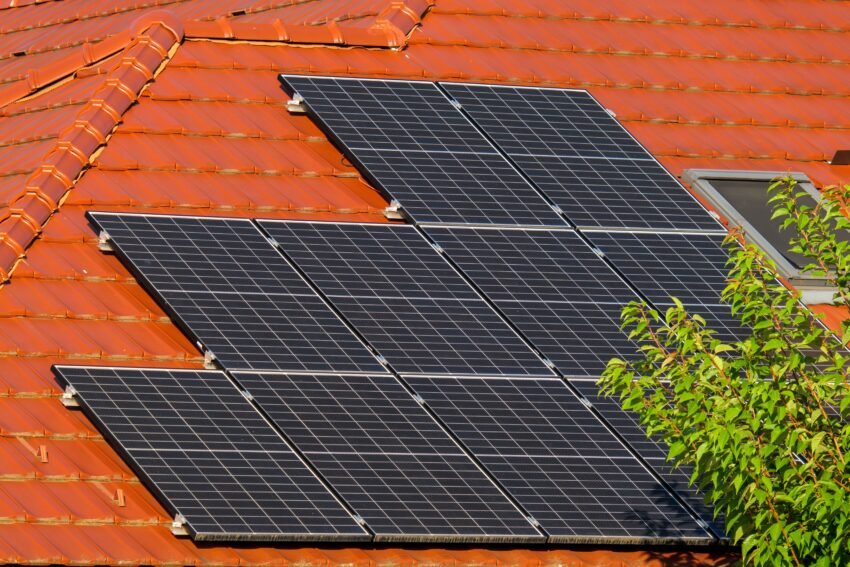
To bank as much sunlight as possible, your equipment needs an unobstructed view of the sky. Autumn is notorious for dropping a constant blanket of leaves, pine needles, and dust onto your roof. Even a small layer of debris can block the sun’s rays and significantly reduce your daily energy harvest. Make it a habit to safely inspect your roof every few weeks during the fall. Gently sweep away any accumulated leaves and trim back overhanging tree branches that might be casting new shadows as the sun’s angle changes. Keeping the surface spotless ensures every possible drop of sunlight gets absorbed and converted into usable power for your winter reserves.
Investing in Physical Battery Storage
If you want true energy independence, adding a physical battery backup to your home is the most direct way to bank sunlight. During a bright October afternoon, your system will likely generate far more electricity than your household consumes. Instead of sending that extra power away, a battery captures it and keeps it on-site. When a January blizzard rolls through and knocks out the local grid, you can tap directly into those stored reserves to keep your lights on and your family warm. Fall is the ideal time to evaluate your current storage capacity. If you noticed your reserves running low last winter, upgrading your battery setup now guarantees you will have enough stored power to handle the darkest days of the year.
Maximizing Utility Net Metering
Not everyone has a physical battery in their garage, and that is perfectly fine. If your system is tied to the local utility grid, you can still bank your autumn sunlight through a process called net metering. When you produce surplus electricity during a sunny fall day, that extra power flows back into the grid, and your utility company credits your account. Think of it like putting money into a savings account for a rainy day. By being mindful of your energy use during the fall, you can accumulate a healthy pile of credits. When winter arrives and your system produces less power than you need, you simply cash in those accumulated credits to offset your heating costs. Check your current utility statements to understand exactly how your rollover credits work so you can plan accordingly.
Shifting Your Power Consumption Habits
Banking sunlight isn’t just about production; it’s also about smart consumption. You can effectively increase your stored reserves by shifting when you use the most electricity. Instead of running your dishwasher, laundry machines, and electric vehicle chargers at night, try to run these high-draw appliances during the middle of the day when the sun is shining brightest. By consuming power exactly when it is being generated, you avoid pulling from your battery reserves or tapping into your grid credits. This simple behavioral shift allows you to save your banked energy for the long, dark winter evenings when you truly need it. It costs nothing to change your schedule, but it makes a significant difference in how much power you carry into the winter.
Monitoring Your System’s Performance
Don’t let the season pass by without checking your system’s output metrics. Most modern setups come with a smartphone app or a monitoring portal that shows you exactly how much energy you are generating and consuming each day. Take a few minutes each week to review these numbers. If you notice a sudden dip in production during a week of clear, sunny weather, it might indicate a technical issue or a stubborn layer of grime blocking the glass. Catching these small problems in October prevents major headaches in January.
Transitioning into the colder months doesn’t have to mean stressing over high heating bills or unpredictable power grids. By treating fall as your prime harvesting season, you can easily stockpile the energy you need to get through the winter comfortably. Keep your roof clear of falling leaves, optimize your consumption habits, and make sure your storage solutions are ready to handle the load. Taking the time to bank your sunlight right now ensures that when the winter freeze finally sets in, your home will remain a warm, well-lit sanctuary.