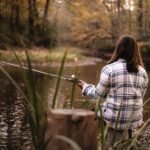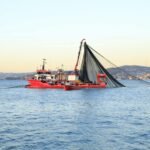
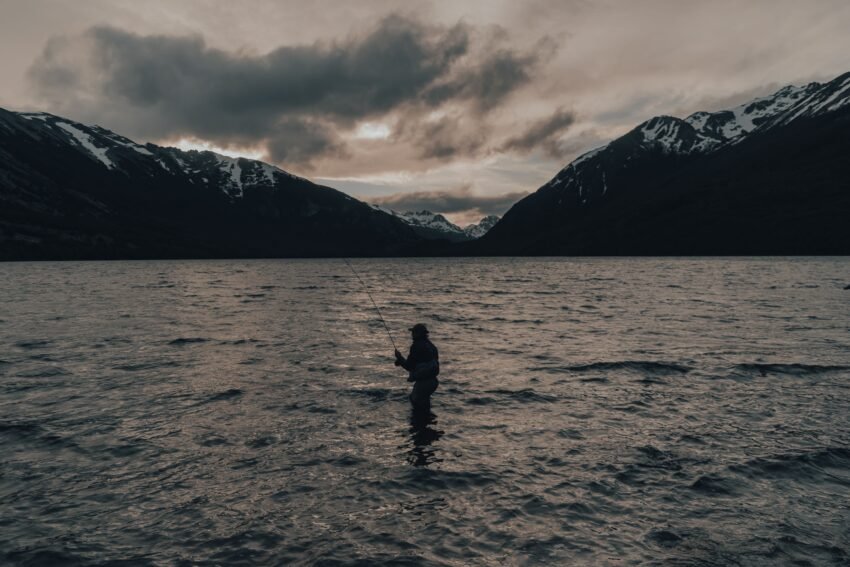

Getting ready for a trip to the Last Frontier is exciting, but narrowing down your destination can feel a bit overwhelming. Alaska is huge; in fact, it has more coastline than the rest of the United States combined. Because the state is so vast, the experience changes drastically depending on where you decide to drop a line. You might want to battle a giant halibut in the open ocean, or maybe you prefer standing in a quiet, glacially fed river casting for salmon.
Before you book a fishing charter, you’ve got to figure out which region matches your specific goals. Are you traveling with family and need easy road access, or are you looking to fly into the remote wilderness? Do you want to bring home boxes of meat for the freezer, or is this a catch-and-release fly adventure? Let’s break down the main regions of the state to help you figure out exactly where you should spend your vacation.
Southcentral Alaska and the Kenai Peninsula
If this is your first time visiting, or if you want the best mix of accessibility and world-class catches, Southcentral is usually the smartest choice. This area includes the famous Kenai Peninsula, often called Alaska’s playground. You can fly right into Anchorage, rent a car, and drive to some of the most famous rivers and coastal ports in the world.
The Kenai River holds records for giant king salmon, and the surrounding waters are packed with sockeye, silver salmon, and rainbow trout. Just a short drive away, coastal towns like Homer and Seward offer incredible saltwater access. Homer is known as the halibut capital of the world, making it the perfect basecamp if your main goal is to fill your freezer with whitefish. Because Southcentral is on the road system, you’ve got access to plenty of restaurants, comfortable lodging, and grocery stores. It’s the ideal spot for folks who want great action without giving up comfortable beds and hot showers.
Southeast Alaska and the Inside Passage
Southeast Alaska is a completely different world. You can’t drive to most of the towns here; you’ve got to take a plane or a ferry. This is the panhandle of the state, characterized by deep fjords, dense rainforests, and thousands of islands. Places like Ketchikan, Sitka, and Juneau are prime hubs for saltwater anglers.
The protected waters of the Inside Passage mean you usually don’t have to deal with the rough ocean swells found in other coastal areas. It’s an ideal spot if you’re prone to seasickness but still want to target ocean species. The area is famous for catching all five species of Pacific salmon, along with lingcod and rockfish. The scenery is also a major draw here, as you’ll likely spot humpback whales, eagles, and bears while you wait for a bite. It’s an incredibly scenic region that feels a bit more sheltered from the open ocean winds.
Bristol Bay and the Southwest Region
If you’re looking for that classic, remote wilderness lodge experience, Southwest Alaska is the place to be. Bristol Bay hosts the largest sockeye salmon run on the planet. Millions of fish flood into the rivers here every summer. This region is a paradise for fly anglers who want to target wild rainbow trout that gorge themselves on salmon eggs.
The catch here is that the Southwest region is almost entirely off the road system. You’ll need to take a smaller bush plane from Anchorage to reach the various lodges and outpost camps. It’s more expensive and requires more logistical planning, but the reward is untouched nature and rivers where you might not see another boat all day. If you want isolation and prolific freshwater action, this is your spot.
The Interior and Far North
Most people think of the coast when they think of Alaskan fishing, but the Interior offers a highly unique freshwater experience. This region covers the vast inland area around Fairbanks. The rivers and lakes here are quiet, pristine, and rarely crowded.
While you won’t find halibut or giant ocean salmon runs here, you’ll find excellent opportunities to catch Arctic grayling, northern pike, and lake trout. The fishing up north is generally more relaxed. It’s a great option if you’re planning a longer RV road trip through the state and want to stop by a quiet lake to cast a line without dealing with the busy crowds found on the southern coast.
Choosing Your Target Species and Style
Your decision ultimately comes down to what you want to catch and how you want to catch it. If your dream is to pull up a barn-door halibut from the ocean floor, you need to head to coastal towns in Southcentral or Southeast. If you want to stand in waders and swing flies for fat rainbow trout, the rivers of Bristol Bay or the Kenai Peninsula will serve you best.
Think about the physical demands as well. Ocean trips involve spending all day on a boat, which requires a sturdy set of sea legs. River trips can mean hiking through the woods or standing in cold, fast-moving water. Discuss these details with the people in your group to make sure everyone is on the same page. Some folks get bored casting from a riverbank, while others can’t stomach the rolling waves of a deep-sea boat.
Alaska is a huge state with endless water to explore. You really can’t make a bad choice, but picking the region that aligns with your travel style will make your trip that much better. Take the time to decide what kind of adventure you actually want, and the rest of your planning will easily fall right into place.