
You can join a book club, polish your resume, learn a new language, work toward a high school diploma, and dig into serious research—all under the same roof, completely free of charge.
The traditional image of the public library as a quiet warehouse for physical books is fading. Across the United States, library systems are redesigning their buildings and expanding their programming to function more like community learning hubs. They’re have long passed being a source for occasional tutoring sessions; several systems have built dedicated spaces, hired specialized staff, and formed partnerships aimed at helping adults finish their education and find work.
The Architectural Shift
Newly built and renovated flagship libraries increasingly reflect this shift. Floor plans are organized around programs and outcomes rather than book genres alone, with stacks often pushed to the perimeter to free up central space for learning commons, technology suites, and meeting rooms. Increasing these spaces look and feel like institutions for higher learning.
A few well-documented examples:
- Charlotte Mecklenburg New Main Library (North Carolina): Designed by Snøhetta with Clark Nexsen, this 115,000-square-foot downtown flagship, slated to open in 2026, puts an “opportunity and innovation” theme on its second floor—a career center, a job-training and counseling area, a technology hub, and a digital visualization lab. The third floor is built around research and study: collections, study carrels, classrooms, and a reference hub.
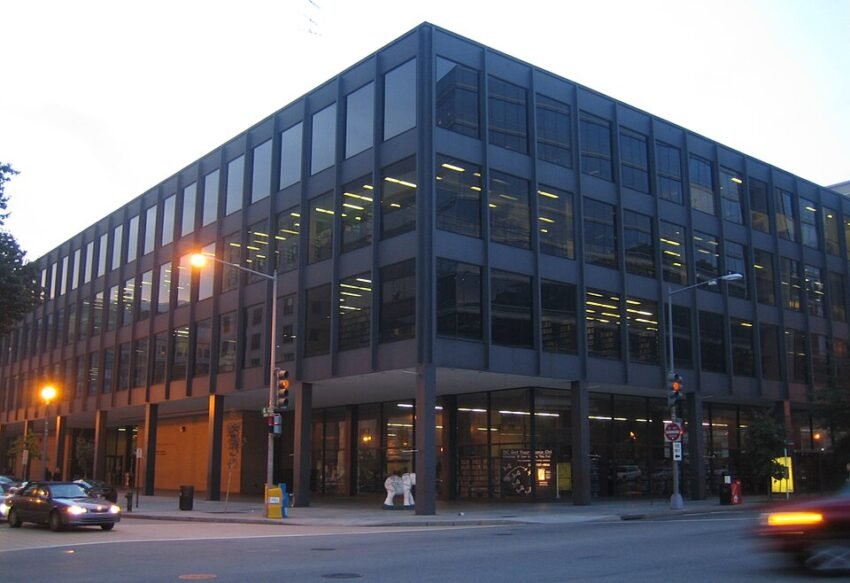
- Martin Luther King Jr. Memorial Library (Washington, D.C.): After a three-year, $211 million modernization of the Mies van der Rohe building, the library added space for workforce-development programs, co-working areas for entrepreneurs, and connected-learning programs for students. The building also houses a satellite Department of Employment Services office and a DC passport office alongside the library’s own operations.
- Columbus Metropolitan Library, Hilltop Branch (Ohio): The rebuilt Hilltop branch added a dedicated adult learning lab alongside meeting and study rooms and computer labs, with acoustical design intended to reduce disruption in areas set aside for concentration—part of a broader push across Columbus’s system to expand GED prep, ESOL classes, and digital-skills training.
- Dayton Metro Library (Ohio): Dayton Metro’s Main Library houses its Center for Community Impact and Innovation, which hosts community programming—including disability-services events and other public workshops—and has drawn significant private donor support for literacy and education work.
These renovations tend to lean on two design choices: open central atriums for gathering, and glass-walled classrooms and meeting rooms that make adult learning and tutoring visible rather than tucked away.
Building Out the Educational Pathway
Physical space is only half the story. A number of library systems have built out literacy departments, embedded specialized staff, and partnered with testing organizations to support adults through the process of finishing their education.
Testing and Credentials
The Dallas Public Library operates an official GED Testing Center on the third floor of its J. Erik Jonsson Central Library, where residents can take the computer-based exam—administered nationwide through GED Testing Service’s partnership with Pearson VUE—in the same building where they attend free prep classes. The library also offers GED scholarships to cover testing fees for qualifying applicants.
Pima County Public Library in Tucson, Arizona, partners with Career Online High School (COHS), an accredited online diploma program for adults 22 and older. Enrolled students get a dedicated academic coach, access to library computers and tutoring, and the chance to earn a high school diploma and a career certificate, funded in part by the library’s foundation.
Reentry and Adult Learning in Urban Systems
Large urban library systems have built out literacy and workforce programming specifically for adults navigating reentry after incarceration:
- Brooklyn Public Library runs a Justice Initiatives program with a dedicated coordinator, offering reentry support (“Welcome Home,” with reentry navigators at several branches), Adult Learning Centers with HSE/GED classes, and one-on-one case management to connect patrons with housing, employment, and social services. Part of this work has been funded by a Mellon Foundation grant supporting reentry navigators.
- Richland Library (Columbia, South Carolina) has employed in-house social workers since 2016, who help patrons navigate FAFSA, SNAP, housing assistance, and veterans’ benefits, and the system also hosts its own Career Online High School cohort—an approach other library systems have since studied and adapted.
Where This Is Headed
These aren’t isolated cases. Similar adult-education and workforce programming has been expanding in library systems in cities across the country, often with support from local foundations, donors, and grant partnerships like the Mellon-funded reentry work in Brooklyn.
Calling these institutions “tuition-free community colleges” is a stretch—none of them grant degrees, and most of what they offer is literacy support, GED preparation, career coaching, and access to accredited online diploma programs rather than full coursework. But for adults who need a quiet place to study, a free computer, a testing room, or someone to help them navigate the process, the local public library has become a genuinely useful stop on the way to a diploma or a better job—even if “campus” oversells it.
Here’s the list of official website links for each library cited in the article:
- Charlotte Mecklenburg Library (New Main Library) — https://www.cmlibrary.org/new-main-library
- Martin Luther King Jr. Memorial Library (Washington, D.C.) — https://www.dclibrary.org/plan-visit/martin-luther-king-jr-memorial-library
- Dallas Public Library — https://www.dallaslibrary.org
- Pima County Public Library (Arizona) — https://www.library.pima.gov
- Columbus Metropolitan Library (Hilltop Branch) — https://www.columbuslibrary.org
- Dayton Metro Library — https://www.daytonmetrolibrary.org
- Brooklyn Public Library — https://www.bklynlibrary.org
- Richland Library (Columbia, South Carolina) — https://www.richlandlibrary.com