
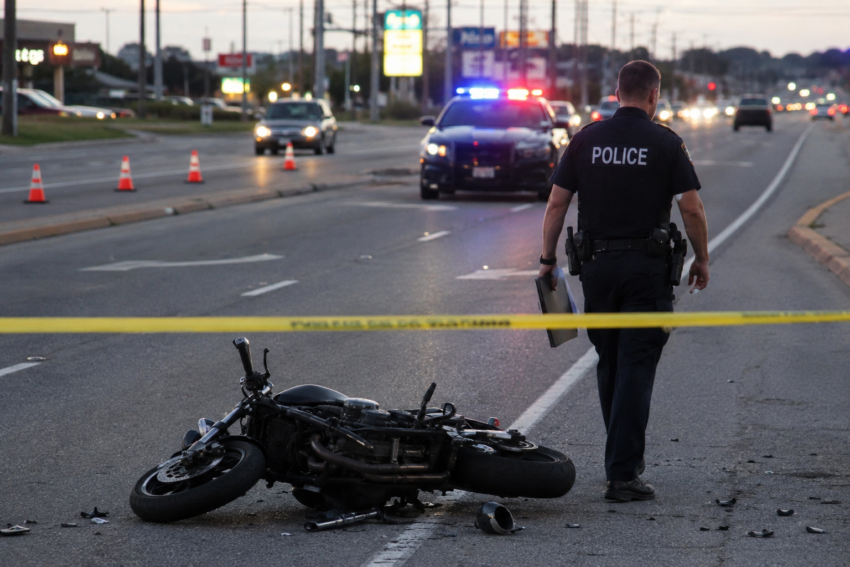

Motorcycle safety in the United States is often framed as a matter of personal responsibility. Wear a helmet. Slow down. Stay alert. But a new analysis from The Texas Law Dog shows that the real story is far more complex. The data reveals a system of structural weaknesses—legal inconsistencies, infrastructure gaps, vehicle design limitations, and behavioral patterns—that combine to create a dangerous environment for riders.
The result is a national crisis that has persisted for more than a decade. In 2023, 6,335 riders were killed in traffic crashes. Motorcyclists accounted for 15 percent of all roadway deaths despite representing only 3 percent of registered vehicles. When measured per mile traveled, riders are nearly 28 times more likely to die than occupants of passenger vehicles.
A Decade of Stagnation
Motorcycle fatalities have remained high for more than ten years. After a noticeable increase around 2020, the numbers have not returned to pre‑pandemic levels. Early 2024 data shows only a modest 2.2 percent decline—far too small to signal meaningful progress.
Injuries tell an even more troubling story. From 2023 to 2024, motorcycle injuries increased by more than 5 percent, adding more than 4,300 new cases. This rise reflects the frequency of crashes rather than their severity.
Texas: A Case Study in Exposure and Risk
Texas recorded 598 motorcycle deaths in 2023, the second‑highest total in the nation. When adjusted for the number of registered motorcycles, the state’s fatality rate is among the highest in the country. Texas riders face elevated risk due to long riding seasons, high traffic volumes, and partial helmet laws that contribute to inconsistent helmet use.
The Infrastructure Problem
Motorcycle crashes cluster in predictable environments. Urban areas see the highest number of fatalities due to traffic density and frequent interactions with other vehicles. Yet many crashes occur away from intersections, often on arterial and collector roads where speed, merging traffic, and limited visibility create dangerous conditions.
High‑Risk Environments
| Environment | Risk Level |
|---|---|
| Urban areas | High |
| Arterial/collector roads | High |
| Non‑interstate roads | Highest |
| Intersections | Significant |
These patterns point to infrastructure challenges that disproportionately affect riders.
Timing and Seasonality
Crash timing is one of the strongest predictors of risk. Weekends account for 61 percent of motorcycle fatalities. Early evening hours, especially between 6 p.m. and 8:59 p.m., are the most dangerous. Alcohol involvement increases sharply during these hours.
Seasonal patterns are equally clear. Summer months see the highest number of fatalities, with July consistently leading the nation.
Helmet Laws: A Patchwork With Consequences
Helmet use reduces the risk of death by up to 42 percent. Yet helmet laws vary widely across states, creating inconsistent safety outcomes.
Helmet Use in Fatal Crashes
| Rider Status | Percentage |
|---|---|
| Wearing helmet | 65% |
| Not wearing helmet | 35% |
States with universal helmet laws see higher usage and fewer unhelmeted deaths. States with partial laws, including Texas, see lower usage and higher fatality rates among unhelmeted riders.
The Vehicle Design Problem
Motorcycles lack the protective features of passenger vehicles. No frame. No airbags. No seat belts. This means that even minor crashes can result in severe injuries.
Injury Severity
| Injury Type | Notes |
|---|---|
| Head injuries | Leading cause of death |
| Leg/lower‑body injuries | Most common in non‑fatal crashes |
| Spinal injuries | High long‑term cost |
| Internal trauma | Common in high‑speed crashes |
A traumatic brain injury can cost more than $1 million over a lifetime. Severe spinal injuries can exceed $5 million.
Behavioral Patterns That Increase Risk
Rider behavior remains a major contributor to fatal crashes.
Behavioral Risk Factors
| Factor | Percentage of Fatal Crashes |
|---|---|
| Speeding | 36% |
| Alcohol impairment | 26% |
| Alcohol impairment in single‑vehicle crashes | 41% |
| Riders without valid motorcycle license | 34% |
Nighttime riding increases risk dramatically. Riders killed at night are more than twice as likely to be alcohol‑impaired.
The Role of Other Drivers
More than half of fatal motorcycle crashes involve another vehicle, usually a passenger car or light truck. One of the most common scenarios is a driver turning left in front of an oncoming motorcycle. These crashes often occur because drivers fail to see riders or misjudge their speed.
Intersections are particularly dangerous for this reason.
Motorcycles are also more likely than other vehicles to strike fixed objects such as guardrails or poles. These crashes account for nearly a quarter of all fatal incidents.
Lane Splitting: A Policy Debate With Safety Implications
California is the only state where full lane splitting is legal. Several states allow lane filtering. Research suggests lane splitting may reduce rear‑end collisions and injury severity. Most states, including Texas, still prohibit it, though legislative interest is growing.
Texas: Urban and Rural Risks
Texas averages 1.3 motorcyclist deaths per day. In 2024, 581 riders were killed and more than 2,500 were seriously injured. More than half of fatal crashes involved another vehicle. Intersection‑related fatalities have risen 21 percent in recent years.
Urban areas such as Houston, San Antonio, and Dallas see the highest crash volumes. Rural roads also present significant risks due to higher speeds and limited visibility.
Seasonal spikes occur in March, May, and October.
A System in Need of Reform
The Texas Law Dog’s analysis shows that motorcycle safety is not simply a matter of rider behavior. It is a systemic issue shaped by infrastructure, law, vehicle design, and driver awareness. Reducing fatalities will require coordinated action across all of these areas.