
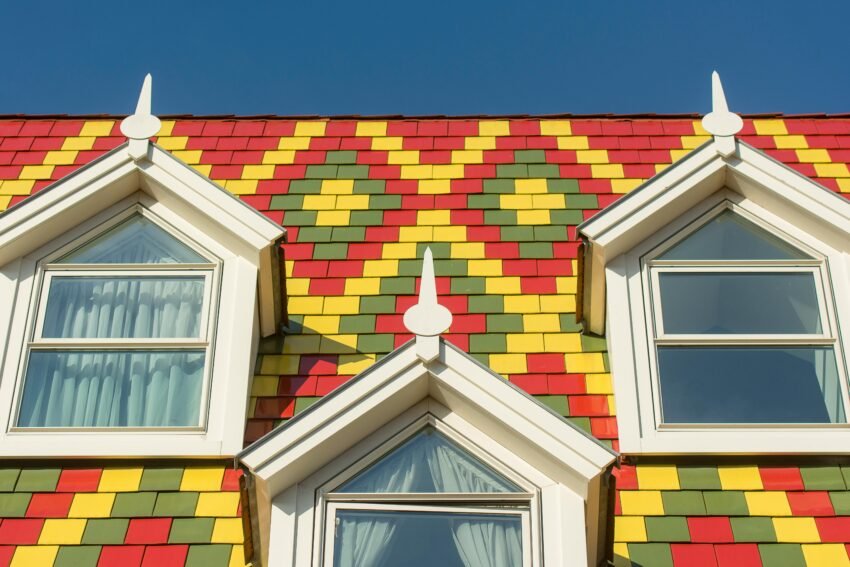

Most suburban neighborhoods look incredibly uniform from a bird’s-eye view. Builders typically rely on standard, mass-produced asphalt tabs because they are cheap, easy to install, and perfectly adequate for basic square houses. But what happens when a building steps outside the bounds of standard architecture? When you are dealing with sweeping curves, historical preservation, or intricate designs, forcing a rigid, factory-cut square onto the roof deck is a terrible idea. It leads to ugly visual gaps, constant water leaks, and a severely compromised structure.
For these unique properties, ordering custom roofing shingles is not just a luxury design choice; it is an absolute structural necessity. If you are planning a massive renovation or building your dream home from the ground up, you need to know exactly when standard materials will fail you. Let us explore the specific types of roofs that demand a completely tailored approach.
Historic and Period Restorations
When restoring a historic property, authenticity is everything. If you own a sprawling Victorian, a classic Tudor, or a Queen Anne estate, slapping a modern asphalt roof over the original architecture completely ruins the historical integrity of the home. These older styles were originally built using highly specific, hand-crafted shapes. You will often see intricate fish scales, crisp diamonds, or rounded beaver tail cuts layered across the steep gables.
Mass-production factories simply do not make these shapes anymore. To accurately restore the property and satisfy strict local historical society guidelines, you have to source materials that are cut exactly to the original century-old specifications. Using tailored cedar or steam-bent wood ensures the home retains its original charm, keeping the historical aesthetic perfectly intact while upgrading the overall weather protection.
Complex Geometries and Curving Rooflines
Standard roofing materials are designed exclusively for flat, straight planes. They are rigid and highly inflexible. Therefore, if your home features complex architectural geometry, standard materials are entirely useless. Think about homes with sweeping storybook roofs, rolling waves, steep conical turrets, or rounded eyebrow dormers.
You cannot bend a stiff asphalt square around a tight circular turret without snapping it or creating massive, overlapping gaps where rainwater will easily penetrate. Sweeping curves require individually shaped pieces that follow the exact radius of the roofline. Steam-bending wood allows the material to wrap tightly around these difficult contours, creating a flawless, impenetrable barrier against the elements. If your architect drew anything other than straight lines, you absolutely must rely on specialized cuts to keep the inside of the house dry.
Heavy Luxury and Storybook Aesthetics
Sometimes the requirement for tailored materials is driven entirely by a highly specific architectural vision. Many luxury estates are designed to look like they were pulled straight out of an old-world European village. Achieving that heavy, rustic, storybook aesthetic is physically impossible with flat, uniform factory squares.
To get that chunky, highly textured look, you need materials that are intentionally irregular. You need thick, hand-split shakes with staggered edges, varying widths, and deep wood grains. You want the roof to look organic, as if it naturally grew out of the surrounding landscape over a hundred years. Crafting this exact visual weight requires artisans to individually shape and select the pieces before they ever reach your property. The roof itself becomes a massive piece of custom woodwork, serving as the defining artistic feature of the entire estate.
Specialized Coastal and High-Wind Microclimates
While aesthetics and geometry play a massive role, environmental survival is another major factor. Homes located directly on the coastline or perched at the top of high mountain ridges face brutal, relentless weather conditions. Standard lightweight materials can easily tear right off the roof deck during a severe gale or a sudden winter squall.
Properties in these extreme microclimates often require extra-thick, heavy-duty materials cut to specific lengths to ensure maximum wind resistance. By tailoring the exact thickness and exposure of a cedar shake, installers can create a deeply overlapping system that withstands hurricane-force winds and heavy salt spray. When standard materials blow away, specially crafted, extra-heavy wood keeps the structural envelope completely sealed and secure.
Seamless Architectural Additions
Building an addition onto an existing high-end home presents a very specific roofing challenge. If the main house features an aged, naturally weathered cedar roof, putting a brand-new, factory-fresh roof on the new addition will look completely disjointed. The new section will stick out like a sore thumb for years until the weather finally ages it to match.
Working with specialty manufacturers allows you to pre-weather or custom-stain new materials to exactly match the existing structure. Artisans can treat the new wood so that the day the addition is finished, the entire roof looks cohesive and perfectly uniform. It is a highly specialized process that guarantees your new sunroom or garage blends flawlessly into the original estate.
Protecting Your Investment
Putting a solid roof over your head is the most critical part of any building project. While standard, out-of-the-box materials work just fine for standard tract homes, they are a massive liability for anything with unique curves, historical significance, or extreme architectural ambition. Forcing the wrong material onto a complex structure guarantees severe water damage and total aesthetic ruin. By recognizing exactly when a building requires an entirely tailored approach, you protect your architectural investment and ensure your home remains a stunning, structurally sound masterpiece for decades to come.