
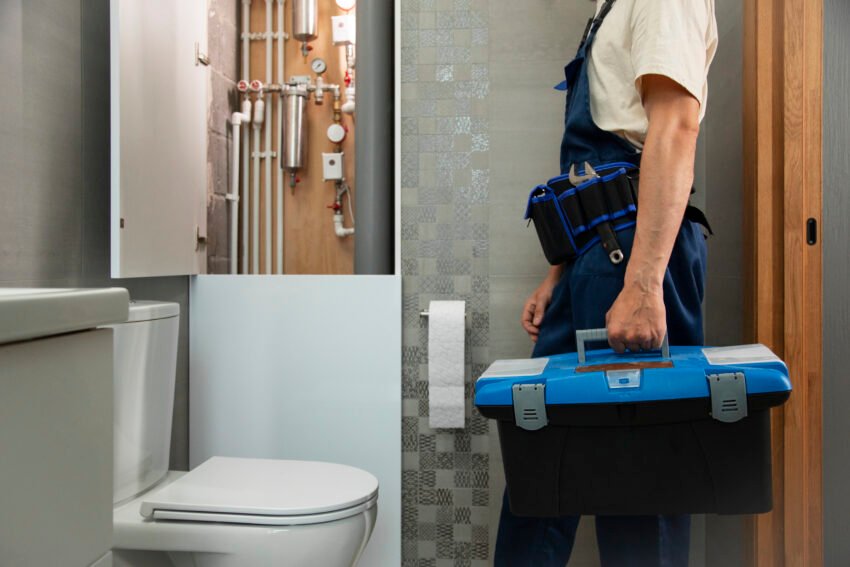

Every homeowner eventually faces the dilemma. You hear a slow drip under the kitchen sink or watch the water slowly rise in the shower pan, and you have to make a choice. Do you head to the hardware store for some liquid drain cleaner and a new wrench, or do you pick up the phone?
The DIY route is incredibly tempting. We all want to save money, and watching a five-minute video online makes almost any household repair look completely manageable. But water damage is unforgiving, and a botched repair can easily turn a fifty-dollar parts run into a massive financial nightmare. Knowing exactly where to draw the line between a weekend project and calling in a professional plumbing service is the most valuable skill a homeowner can develop.
If you are currently standing over a puddle trying to decide your next move, here is a practical breakdown of what you can safely tackle yourself, and when you need to immediately step away from the pipes.
The Green Light: Safe Projects for Beginners
Not every plumbing issue requires an expensive service call. Many common annoyances are completely surface-level and require zero specialized training to fix.
- Clearing Basic Surface Clogs: The plunger is your best friend. A standard toilet clog or a slow-draining bathroom sink is rarely a structural emergency. If your shower is draining slowly, it is almost always a buildup of hair and soap scum right near the surface. Grabbing a cheap plastic drain snake from the hardware store and physically pulling the debris out takes ten minutes. Avoid harsh chemical drain cleaners, as the acid eats away at older pipes, but mechanical removal is perfectly safe for a beginner.
- Fixing a Running Toilet: That constant running water sound is annoying and wastes a massive amount of water, but the fix is usually incredibly simple. Pop the lid off the tank and look at the rubber flapper at the bottom. They warp and degrade over time. Turning off the water supply valve behind the toilet, unhooking the old flapper, and dropping a five-dollar replacement into place requires zero specialized tools and practically zero plumbing experience.
- Cleaning Aerators: If the water pressure drops in a single bathroom sink but the rest of the house is fine, you probably just have a dirty aerator. Unscrew the tip of the faucet, rinse the hard water grit out of the tiny screen, and screw it back on.
The Red Flags: Stop and Call a Professional
When dealing with high pressure, raw waste, or potential property damage, trying to play the hero will only compound the disaster.
- Water Heater Failures: If you wake up to a freezing cold shower, your DIY journey ends right there. Water heaters are not just holding tanks; they are highly pressurized cylinders connected to high-voltage electrical lines or combustible natural gas. If you wire a thermostat incorrectly or mess with a gas valve, you are risking an electrical fire or carbon monoxide exposure. If the tank itself is leaking from the bottom, it has rusted through, and the structural integrity is gone. Shut off the cold water supply to the tank and let a licensed technician handle the heavy lifting.
- Sewage Backing Up Into the House: A localized clog in one sink is a DIY job. A clog in your main sewer line is a severe emergency. If you flush an upstairs toilet and raw wastewater backs up into your downstairs bathtub, your entire drainage system is compromised. This is usually caused by heavy tree roots crushing your subterranean pipes or a massive blockage deep under your yard. You cannot fix this with a plunger. It requires heavy-duty motorized augers and high-definition sewer cameras to diagnose and clear the line safely.
- Low Water Pressure Everywhere: If the water pressure suddenly drops across your entire house, you have a major structural problem. This usually points to a failing pressure regulator, a massive leak somewhere in your main water supply line, or heavy mineral corrosion choking the inside of your municipal pipes. Diagnosing and replacing a main supply line requires digging equipment, municipal permits, and deep technical expertise.
- Hidden Leaks Behind Walls: Water always follows the path of least resistance. If you notice a dark, spreading stain on your living room ceiling or smell a persistent, musty odor coming from behind your drywall, you have a slow leak. Tearing down your own drywall to blindly search for a dripping pipe is a terrible idea. Professionals have electronic leak detection equipment that pinpoints the exact location of the moisture without destroying your house in the process.
The Gray Area: Proceed with Extreme Caution
Some projects look easy on paper, but they can quickly escalate if your house fights back.
Replacing a bathroom faucet or a showerhead sits right on this borderline. If you live in a newer home with modern, flexible supply lines and easily accessible shut-off valves, swapping a fixture is a great Saturday afternoon project. However, if you live in an older home with brittle copper pipes or heavily corroded shut-off valves that refuse to turn, a simple fixture swap can easily snap a pipe inside the wall.
If you feel severe physical resistance when trying to loosen a nut, stop immediately. Stripping the threads on an old pipe guarantees a massive leak the second you turn the main water back on.
Use a Professional Plumber
Being a proactive homeowner means knowing your own limits. Taking care of the surface-level maintenance keeps your home running smoothly and saves you money on unnecessary service calls. But when the problem involves heavy pressure, biological hazards, or hidden leaks, respect the complex systems hidden behind your walls. Handing the wrench over to someone who does this for a living is the ultimate form of property protection.