
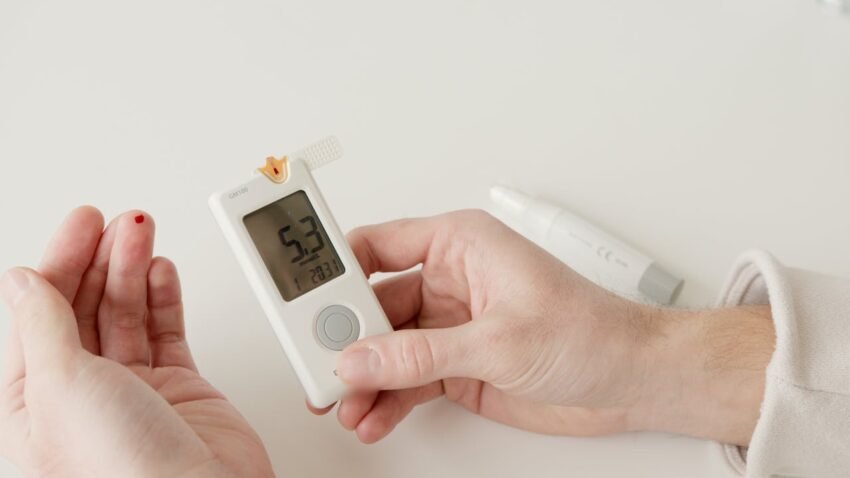


For decades, physicians have treated obesity and diabetes as diseases of excess — excess calories, excess sugar, excess weight. Yet despite increasingly aggressive guidelines, medications, and public health campaigns, rates of these metabolic conditions continue to rise worldwide.
The question is not whether we are trying hard enough. The question is whether we are asking the right biological question.
My recently published hypothesis in the peer-reviewed journal Medical Hypotheses, published by Elsevier, proposes that a foundational misunderstanding may exist in how we interpret hunger, food intake and satiation on the one side and cellular metabolism, energy production and storage of excess nutrients on the other side.
Let us start with food intake that leads to weight gain. Rather than focusing solely on caloric excess, I suggest that weight gain may stem from a breakdown in signaling between food intake and cellular needs. If the body cannot properly recognize when nutrient needs have been met, appetite regulation fails — not because of lack of willpower, but because of physiology.
This reframes unwanted weight gain, obesity, and Type 2 diabetes from moral or behavioral failures into communication errors within the body.
Why This Matters
Modern medicine excels at managing symptoms. Medications can suppress appetite, leading to reduced food intake and lower body weight. Blood sugar can be lowered using medications that help move glucose into cells.
But when the incidence of the problem continues climbing, management of symptoms alone cannot be the endpoint.
Scientific progress requires periodic re-examination of assumptions. History reminds us that many accepted models — from gastric ulcers to heart disease — were later refined when new mechanisms were discovered or new interpretations challenged old theories.
Publication in a peer-reviewed journal does not mean my hypothesis is proven. It means it is worthy of scientific consideration and formal discussion. That is how scientific progress is made. That is how medicine evolves.
Prevention vs. Reaction
The present-day healthcare system is structured around treatment. Yet the increasing economic burden of metabolic diseases suggests that prevention must become central, not peripheral. To ensure that food intake based on cellular nutrient needs plays a more fundamental role than currently emphasized, research priorities may need adjustment. Prevention-based models are not anti-science; they are forward-looking science.
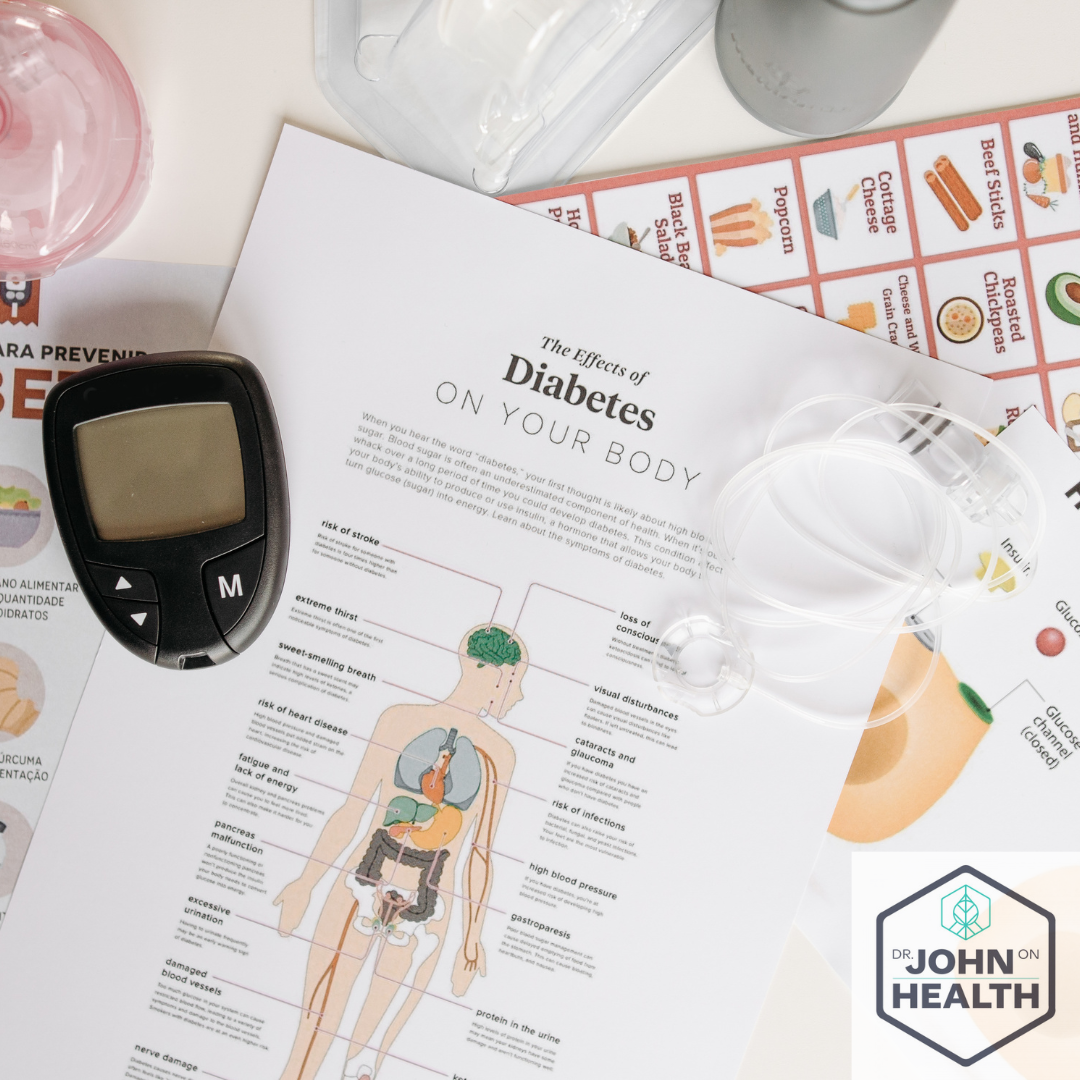
The Broader Economic Impact
A chronic metabolic disease such as Type 2 diabetes is not only a medical issue — it is an economic one.
Employers absorb rising insurance premiums. Families bear long-term healthcare costs along with physical and emotional consequences. Governments allocate increasing portions of their budgets to disease management. If the underlying biological model is incomplete, the economic consequences compound.
Healthcare innovation often begins with uncomfortable questions. Are we treating downstream effects while upstream mechanisms remain misunderstood?
The Role of Open Scientific Dialogue
Medicine advances not by consensus alone but by structured debate, investigation and replication. Publishing this hypothesis invites scrutiny, testing, and interpretation — exactly what scientific systems are designed to support.
The goal is not disruption for its own sake. It is refinement. Precision. Clarity.

If we better understand how appetite signaling interacts with metabolic function, prevention strategies could be meaningfully shifted.
Scientific progress does not begin with certainty. It begins with a question that leads to a hypothesis, followed by testing, testing, and more testing to reach agreement on management and prevention. This is the key to improving economic and public health outcomes.
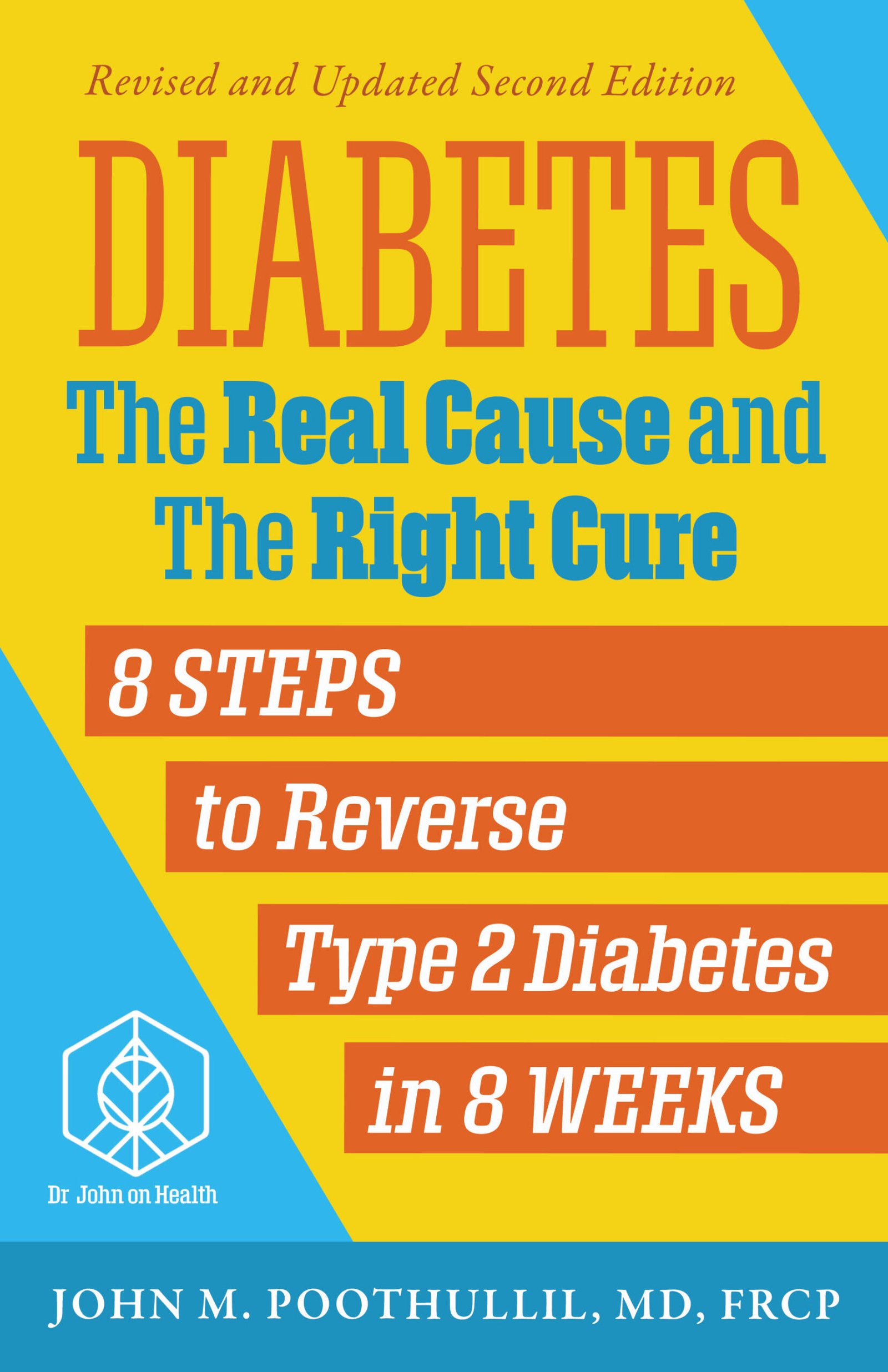
Dr. John Poothullil, MD, FRCP, is a board-certified retired physician, nationally syndicated columnist, and award-winning author dedicated to addressing the root causes of lifestyle diseases. With more than 30 years of experience as a pediatrician and allergist, he challenges conventional thinking on obesity and diabetes through science-based, practical solutions. His groundbreaking medical theory on metabolic disease was published in the peer-reviewed journal Medical Hypotheses in April 2026. Dr. John is the author of Diabetes: The Real Cause and the Right Cure and Beat Unwanted Weight Gain, empowering readers to take control of their health while advocating for meaningful reform in the healthcare system. He continues to speak and write nationally on sustainable, lasting wellness.
John Poothullil practiced medicine as a pediatrician and allergist for more than 30 years, with 27 of those years in the state of Texas. He received his medical degree from the University of Kerala, India in 1968, after which he did two years of medical residency in Washington, DC and Phoenix, AZ and two years of fellowship, one in Milwaukee, Wisconsin and the other in Ontario, Canada. He began his practice in 1974 and retired in 2008. He holds certifications from the American Board of Pediatrics, The American Board of Allergy & Immunology, and the Canadian Board of Pediatrics.During his medical practice, John became interested in understanding the causes of and interconnections between hunger, satiation, and weight gain. His interest turned into a passion and a multi-decade personal study and research project that led him to read many medical journal articles, medical textbooks, and other scholarly works in biology, biochemistry, physiology, endocrinology, and cellular metabolic functions. This eventually guided Dr. Poothullil to investigate the theory of insulin resistance as it relates to diabetes. Recognizing that this theory was illogical, he spent a few years rethinking the biology behind high blood sugar and finally developed the fatty acid burn switch as the real cause of diabetes.Dr. Poothullil has written articles on hunger and satiation, weight loss, diabetes, and the senses of taste and smell. His articles have been published in medical journals such as Physiology and Behavior, Neuroscience and Biobehavioral Reviews, Journal of Women’s Health, Journal of Applied Research, Nutrition, and Nutritional Neuroscience. His work has been quoted in Woman’s Day, Fitness, Red Book and Woman’s World.Dr. Poothullil resides in Portland, OR and is available for phone and live interviews.To learn more buy the books at: amazon.com/author/drjohnpoothullil
Visit drjohnonhealth.com to learn more. You can also contact him at john@drhohnonhealth.com.
Or follow us on:
Instagram: instagram.com/DrJohnOnHealth
Facebook: facebook.com/JohnOnHealth
Youtube : @DrJohnPoothullil
For more great health and lifestyle content, see here.
Explore more insights at https://www.thetimesusa.com/.