
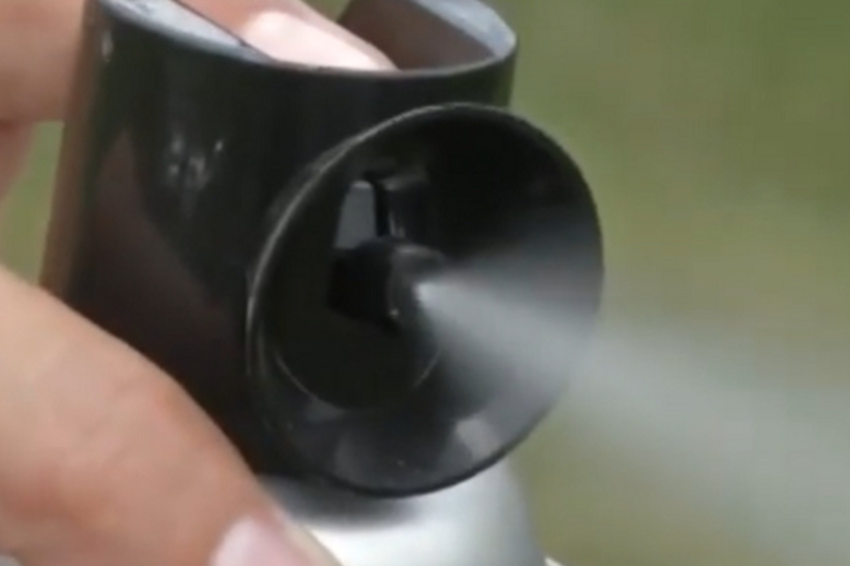

When people think about substance abuse, they typically picture alcohol, opioids, or stimulants. But one of the more alarming trends to emerge in recent years involves a product found in virtually every hardware store and garage in America: wasp and hornet spray.
The rise of wasp spray abuse is not a rumor or an exaggeration. It is a documented, medically serious, and potentially fatal trend that is showing up in emergency rooms and addiction treatment settings across the country.
Understanding why people turn to wasp spray, what it does to the body, and how to get help for someone struggling with this kind of substance use is critically important for families, healthcare providers, and communities.
What Is Wasp Spray and Why Are People Abusing It?
Wasp and hornet spray is a pesticide product designed to kill stinging insects from a distance. Most formulations contain pyrethroids, a class of synthetic chemicals derived from naturally occurring pyrethrins found in chrysanthemum flowers. Common active ingredients include permethrin, cypermethrin, or prallethrin, along with various solvents and propellants that allow the spray to travel several feet from the nozzle.
People abuse wasp spray by inhaling the aerosol or, in some reported cases, dissolving the chemical in water and injecting the resulting liquid intravenously. Both methods of use are extremely dangerous, but injection carries an especially high risk of immediate, life-threatening consequences.
The primary reason why wasp spray has become a substance of abuse is accessibility and cost. A can costs just a few dollars and is available without any identification, age verification, or prescription. For individuals who are in the grip of active addiction and cannot access their preferred substance, or who are looking for an inexpensive high, wasp spray presents a devastating alternative.
The Neurological and Physical Effects of Wasp Spray Abuse
Pyrethroids affect the nervous system by interfering with sodium channels in nerve cell membranes. This disruption causes prolonged nerve firing, which in insects leads to paralysis and death. In humans, the nervous system is larger and more complex, but exposure to high enough concentrations still produces significant neurological effects.
What Does Wasp Spray Do to the Human Brain?
When inhaled, wasp spray can produce effects that mimic intoxication, including euphoria, disorientation, and altered perception. These effects are short-lived but come at an enormous cost. The solvents in the spray can cause direct damage to the brain’s white matter, the fatty tissue that allows nerve cells to communicate efficiently. Repeated exposure has been associated with cognitive decline, memory problems, and personality changes.
Injecting wasp spray dissolved in water introduces pyrethroid compounds and toxic solvents directly into the bloodstream. This bypasses the body’s natural filtration systems and delivers the chemicals to organs, including the heart, lungs, kidneys, and brain, with alarming speed. Emergency physicians have reported patients presenting with severe respiratory distress, cardiovascular collapse, and seizures following wasp spray injection.
Wasp Spray Injection: What the Medical Evidence Shows
Case reports published in medical literature have described patients who injected wasp spray experiencing profound tissue necrosis, meaning the death of living tissue at and around the injection site. Because wasp spray is not a sterile solution, injection also carries a severe risk of bacterial infection, abscess formation, and sepsis, a life-threatening whole-body response to infection.
Some patients have required surgical amputation of limbs due to tissue destruction caused by wasp spray injection. Others have developed endocarditis, an infection of the inner lining of the heart, a condition that carries a high mortality rate even with aggressive antibiotic treatment. The medical community has described wasp spray injection as one of the more extreme and dangerous forms of intravenous substance use seen in recent years.
Inhalation Risks: Less Visible but Still Serious
Inhalation of wasp spray, sometimes called “huffing,” shares risks with other forms of inhalant abuse. The lungs are not equipped to filter aerosolized pesticides, and the solvents in these products can cause sudden sniffing death syndrome, a phenomenon where the heart goes into a fatal arrhythmia after inhalant exposure. This can occur even on a first use, meaning there is no safe level of experimentation with wasp spray inhalation.
Chronic inhalation leads to a gradual accumulation of neurological damage. Users may develop tremors, difficulty with coordination, impaired speech, and persistent cognitive deficits. Some of these effects are irreversible, even after a person stops using the substance.
Who Is Most at Risk for Wasp Spray Abuse?
Reports of wasp spray abuse have emerged most frequently in rural and semi-rural communities where access to healthcare and addiction treatment may be limited, and where poverty can make conventional substances financially out of reach. However, this trend is not confined to any single demographic group or geographic region.
People who are already struggling with opioid or methamphetamine addiction appear to be among the most likely to experiment with wasp spray, often as a substitute when their preferred substance is unavailable. This substitution pattern reflects the desperation that active addiction creates, rather than any deliberate choice to harm oneself.
Adolescents and young adults are also at elevated risk, particularly for inhalant abuse. Young people may not fully understand the risks, and the easy availability of aerosol products in the home makes them accessible even without money.
How to Recognize Signs of Wasp Spray Abuse
Knowing what to look for can make a critical difference. Someone abusing wasp spray through inhalation may show signs that overlap with other forms of inhalant use, including a chemical odor on their breath or clothing, red or watery eyes, slurred speech, lack of coordination, and disorientation that comes and goes relatively quickly.
Physical Warning Signs to Watch For
For individuals who are injecting wasp spray, physical signs may include unexplained wounds, sores, or areas of skin discoloration and swelling at injection sites. Because wasp spray is caustic to tissue, injection wounds often look more severe than typical intravenous drug use marks. A person may also appear to be experiencing confusion, extreme sedation, or seizure activity.
Empty or partially used cans of wasp or hornet spray, particularly in locations where insects are not a problem, or in unusual numbers, can be a behavioral indicator. If you notice these signs in someone you love, taking the concern seriously and acting promptly could save their life.
Why Addiction Treatment Is the Right Response, Not Punishment
It can be tempting to view wasp spray abuse as a moral failure or a sign of extreme recklessness. In reality, people who use dangerous substances like wasp spray are almost always driven by the compulsive nature of addiction, by mental health struggles, or by circumstances of poverty and despair that narrow their perceived options to nearly nothing.
Approaching this issue with compassion rather than judgment is not just the ethical choice; it is also the more effective one. Research consistently shows that people who receive non-judgmental, trauma-informed care are more likely to engage with treatment and achieve sustained recovery. Purpose Healing Center offers support for substance abuse at its Phoenix and Scottsdale centers, providing people with access to evidence-based care in a supportive, community-focused environment.
What Does Treatment for Wasp Spray Abuse Look Like?
Treatment for wasp spray abuse needs to address several layers of need simultaneously. Medically, any physical damage from the substance must be assessed and treated. Neurological evaluation may be warranted if the person has been using it for an extended period. Underlying addiction, whether to opioids, stimulants, or other substances, must also be addressed, because wasp spray is often a symptom of a deeper struggle rather than a standalone addiction.
A comprehensive treatment program typically includes medically supervised detoxification if needed, individual and group therapy, mental health assessment and co-occurring disorder treatment, peer support, and discharge planning that addresses housing, employment, and social connection. Many people also benefit from medication-assisted treatment for underlying opioid or alcohol use disorders.
The Role of Holistic Care in Recovery
Recovery from substance use involving chemicals as toxic as wasp spray benefits from care that attends to the whole person, not only the physical symptoms of withdrawal. Working with a holistic treatment center for substance abuse means that a person’s emotional health, social environment, spiritual needs, if applicable, and physical well-being are all addressed as part of a coordinated care plan.
Holistic approaches may include mindfulness practices, nutrition support, physical fitness, creative therapies, and community-building activities that help people rebuild a sense of purpose and connection. These elements matter because addiction often develops in the context of isolation, trauma, and loss of meaning, and recovery requires addressing those root causes directly.
Intervention services can also support this process. You do not have to navigate it alone.
A Community-Wide Problem That Requires a Community Response
Wasp spray abuse is a reflection of broader issues in our communities, including inadequate access to mental health care, the ongoing ripple effects of the opioid crisis, economic instability, and the desperate measures people take when they feel like they have run out of options. Addressing it effectively requires more than individual treatment, though treatment is a vital piece of the puzzle.
Communities can play a role by supporting expanded access to addiction treatment, reducing stigma around seeking help, training first responders and healthcare workers to recognize and respond to novel forms of substance use, and investing in the social conditions that make people less vulnerable to addiction in the first place.
If you or someone you know is struggling with substance use of any kind, reaching out to a qualified treatment provider is the most important step you can take. Help is available, and recovery is possible regardless of what substances a person has been using or how long they have been struggling.