
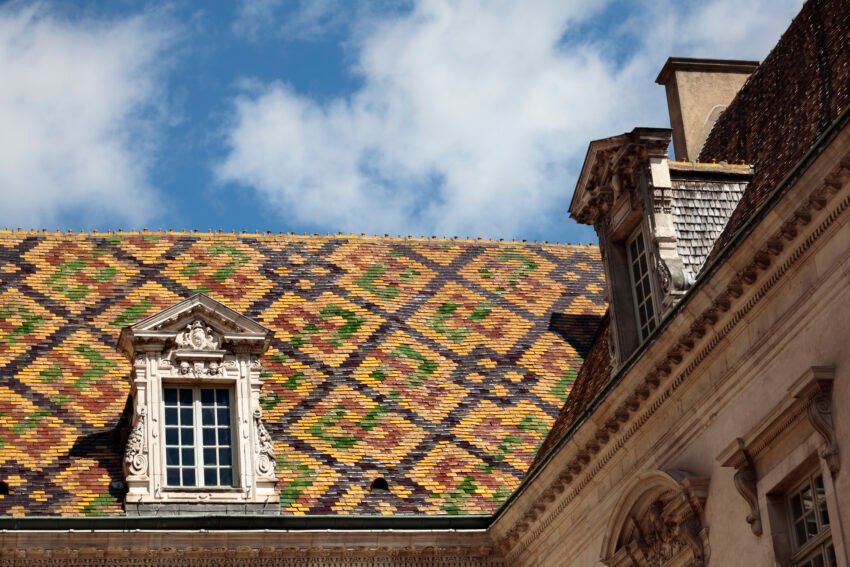

Owning a historic home is like living inside a piece of art. The intricate woodwork, the charming original windows, and the unique architectural details are things you just can’t find in modern subdivisions. But along with all that character comes a distinct set of maintenance challenges, particularly when you look up. The roof of a century-old house is rarely a simple fix. Years of weather exposure, outdated building techniques, and aging materials mean you’ll inevitably face some structural hurdles.
When the time comes to address these issues, finding professionals who understand the delicate nature of historic roofing repairs is vital to keeping the property intact. An older home requires a much gentler, more thoughtful approach than a standard modern build. Let’s look at the most common issues you’ll encounter up there and how to handle them without losing your home’s historic charm.
Fixing Sagging Rooflines
When you step back and look at an older house from the street, you might notice a distinct dip or wave along the ridge of the roof. A sagging roofline is one of the most frequent problems found in historic properties. Over the decades, the wooden rafters and decking undergo a lot of stress. Wood naturally degrades over time, especially if the attic has dealt with prolonged humidity or minor leaks.
In older homes, builders also used different spacing standards for rafters than we do today. Sometimes, the framing just wasn’t designed to support the weight of multiple layers of shingles stacked on top of each other by previous owners. Fixing a sag usually requires a contractor to get inside the attic and sister the existing rafters. This means attaching new, sturdy wood alongside the old timber to reinforce the structure. It restores the straight roofline without forcing you to tear out the historical framing completely.
Managing Flashing Failures
Flashing is the material used to seal joints and prevent water from seeping into vulnerable areas, like around chimneys, dormer windows, and roof valleys. In modern construction, roofers use galvanized steel or aluminum. In historic homes, however, you’ll typically find copper, lead, or even terneplate flashing.
While these old-world materials are incredibly durable, they don’t last forever. After eighty or a hundred years, copper develops pinhole leaks, and lead can crack from decades of expanding and contracting in the sun. When the flashing fails, water sneaks right into your attic, often traveling down the chimney masonry or ruining upstairs ceilings. Repairing this issue requires a delicate touch. A skilled contractor needs to carefully remove the surrounding historic tiles or slates, replace the degraded metal with historically accurate copper or modern equivalents, and then reinstall the original roofing material seamlessly.
Sourcing and Replacing Original Materials
One of the biggest headaches of restoring an older roof is dealing with the original surface materials. Most historic houses were built with slate, clay tiles, or cedar shakes. These materials look stunning, but replacing damaged pieces isn’t as easy as running to the local hardware store for a bundle of asphalt shingles.
Slate roofs can easily last a century, but individual tiles will eventually crack, slide out of place, or flake apart. When you need to replace missing sections, finding a visual match is tough. The new pieces need to blend with the weathered patina of the existing roof. Contractors often have to source reclaimed slate or custom-order clay tiles to preserve the architectural integrity of the house. You can’t just patch a vintage terracotta roof with whatever is cheapest, or your local historical commission might give you a hard time, and you’ll ruin the property’s incredible curb appeal.
Upgrading Inadequate Ventilation
Homes built before the mid-twentieth century weren’t designed with modern airflow standards in mind. Back then, houses breathed naturally because they weren’t sealed up tight with modern insulation, vapor barriers, and thick caulking. Today, homeowners try to make these old houses more energy-efficient by sealing up the drafts. While that keeps the heating bill down, it traps moisture right inside the attic space.
Without proper intake and exhaust ventilation, the hot, humid air rises to the roof deck and stays there. This trapped moisture causes the original wood decking to rot from the inside out and bakes the roofing materials above. Fixing this often involves strategically adding ridge vents or discreet soffit vents that improve the airflow without altering the historical silhouette of the building. Getting the air moving is the best way to prolong the life of the entire structure.
Uncovering Hidden Deck Rot
Because older homes often have steep pitches, multiple gables, and complex architectural designs, water has a lot of places to hide. It’s common for a historic home to have a slow, undetected leak that has been going on for years before it finally shows up as a water stain on your living room ceiling.
When a roofing crew finally strips away the old slate or wood shakes, they frequently uncover sections of rotted decking underneath. You can’t nail new roofing materials into soft, decaying wood. The crew must carefully cut out the compromised sections and replace them with solid wood that matches the thickness of the original planks before they can lay down the underlayment.
Preserving Your Piece of History
Maintaining an older property is a labor of love. Every creak in the floorboards and curve of the architecture tells a story. While the roof might require more specialized care than a modern build, making sure it stays watertight is the most important thing you can do to protect the rest of the house. By tackling sagging framing, upgrading the ventilation, and carefully matching original materials, you keep the historical character intact. It takes a bit more effort and expertise, but preserving a beautiful piece of history for the next generation is always worth the investment.