

Addiction often affects far more than physical health. It can disrupt relationships, routines, self-trust, and a person’s sense of identity. Many people entering recovery are not only trying to stop using drugs or alcohol. They are also trying to answer a harder question: who am I now, and what does a meaningful life look like moving forward?
Narcotics Anonymous, or NA, can play an important role in helping members rebuild identity and purpose after addiction by offering community, accountability, and a framework for personal growth.
NA helps people reconnect with values, rebuild trust, and develop a stronger sense of belonging. It also works well alongside professional treatment. Many treatment centers introduce patients to 12-step ideas during care, then help them carry those principles into daily life through structured aftercare planning and ongoing support. That connection between treatment and community recovery can be especially valuable for people who want both clinical guidance and long-term peer support.
Why Identity Often Feels Damaged After Addiction
Addiction can gradually take over how a person sees themselves. Roles that once felt central, such as parent, partner, employee, student, or friend, may become overshadowed by the constant cycle of using, recovering, hiding, or surviving. Over time, many people begin to define themselves by mistakes, instability, or shame rather than by their strengths or values.
That is why early recovery can feel confusing even when someone is motivated to change. A person may no longer be using, but they may still feel disconnected from who they are. NA helps address that gap by giving members a place to rebuild identity through action. Instead of trying to invent a new self overnight, they begin by showing up, listening, being honest, and participating in a recovery community.
How NA Helps People Feel Less Alone
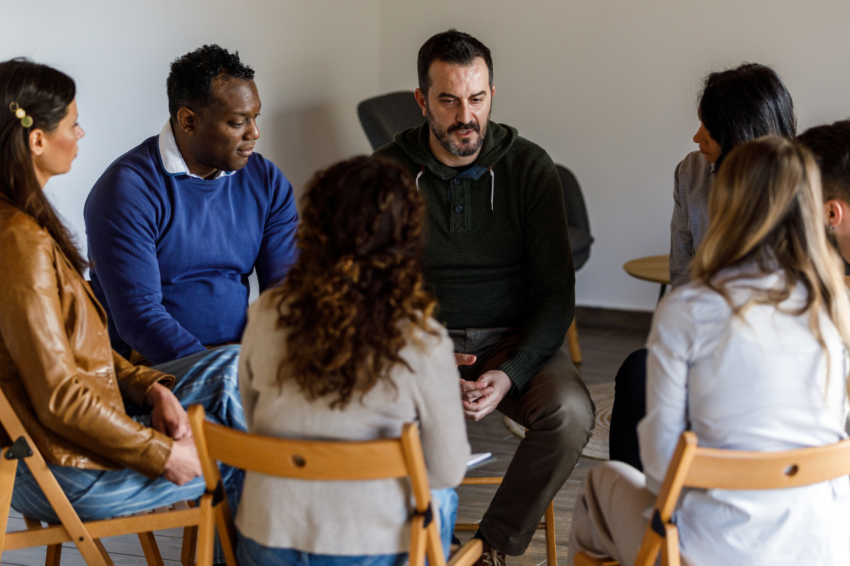
One of the most powerful aspects of NA is belonging. Addiction is often isolating. Many people feel misunderstood, judged, or emotionally cut off from others. In NA, members enter a space where people understand the realities of addiction and recovery from lived experience. That sense of recognition can be deeply grounding.
When someone begins to feel that they belong in a recovery community, their internal narrative can start to change. Rather than seeing themselves only through the lens of addiction, they may begin to think of themselves as someone healing, learning, and growing. This shift matters because identity is shaped not just by private thoughts, but by relationships, roles, and repeated experiences of connection.
How the 12 Steps Support Identity Change
NA helps members rebuild identity through the 12 Steps, which encourage honesty, self-reflection, accountability, humility, and repair. The step process does not erase the past, but it helps people make sense of it in a healthier way. Members begin to separate their core worth from the harm addiction may have caused.
This is also where treatment centers can play an important role. Many behavioral health programs incorporate 12-step therapy into the treatment process to help patients understand recovery principles before they leave a structured level of care. In practice, that may involve group discussions about the steps, education on surrender and accountability, exploration of denial and resistance, and support around building a recovery network. Icarus Recovery Center includes 12-step therapy at its Albuquerque rehab facility.
When treatment centers introduce these concepts in a clinical setting, patients often have a stronger foundation for engaging with NA after discharge. The work becomes less abstract and more practical. People begin to see how personal responsibility, spiritual growth, and peer connection can support long-term change.
Why Sponsorship and Peer Guidance Matter
Many readers wonder whether meetings alone are enough to create lasting change. Meetings are important, but sponsorship often adds another level of support. A sponsor is a more experienced NA member who offers guidance through the steps and shares practical insight from their own recovery journey. That relationship can help newer members feel less overwhelmed and more accountable.
Sponsorship supports identity rebuilding because it gives people a safe, honest relationship in which growth is expected. Members practice asking for help, admitting when they are struggling, and following through on commitments.
Over time, those experiences can strengthen self-respect and emotional maturity. A person who once felt directionless may begin to feel capable, responsible, and connected.
How Treatment Centers Bridge Recovery and Real Life
Treatment centers often help patients prepare for the transition from structured care to everyday life, which is where identity and purpose are really tested. In treatment, patients may begin exploring who they are without substances, what values matter to them, and what kind of support they need to stay stable after discharge.
Clinical teams can help them identify relapse risks, mental health needs, family dynamics, and practical next steps. That is where aftercare becomes essential. Strong aftercare programs do more than hand someone a list of referrals.
They help create a realistic plan for maintaining recovery in the real world. This may include outpatient therapy, recovery meetings, relapse prevention strategies, medication support when appropriate, alumni check-ins, sober living referrals, and guidance on rebuilding routines.
The Benefits of Aftercare Planning
Aftercare planning at an Albuquerque rehab can also involve helping a patient identify local NA meetings, prepare to find a sponsor, and build a schedule that supports consistency.
When aftercare is thoughtfully connected to community-based support like NA, people are often better positioned to sustain the identity changes they began in treatment.
How Service and Routine Restore Purpose
Purpose often returns through small, repeated acts rather than dramatic breakthroughs. In NA, service gives members a way to contribute. That may mean setting up chairs, making coffee, greeting newcomers, or taking on group responsibilities over time. These acts matter because addiction often leaves people feeling like they only take from others or create problems. Service challenges that belief.
Treatment centers also help restore purpose by encouraging structure, participation, and healthy responsibility during care. Patients may begin rebuilding confidence by attending groups, following routines, engaging in therapy, and reflecting on personal goals. After discharge, NA can help carry that momentum forward by giving members places to show up, contribute, and be counted on.
This is how recovery becomes more than abstinence. It becomes a way of living that includes meaning, connection, and responsibility.
Can NA and Treatment Work Together?
Yes, and for many people, they work best together. Treatment centers provide assessment, clinical care, therapy, and structured support during a vulnerable period. NA provides peer connection, shared language, and an ongoing community that can continue long after formal treatment ends. One is not necessarily a replacement for the other.
A person may first encounter 12-step ideas in treatment, begin attending meetings during or after care, and then continue building identity through sponsorship, step work, and service. That combination can help recovery feel both supported and sustainable. Clinical treatment helps stabilize the person. NA helps them keep building a life.
Rebuilding Your Identity Is an Ongoing Process
How does NA help members rebuild identity and purpose after addiction? It helps by giving them a place to belong, a structure for change, relationships that encourage honesty, and opportunities to be useful to others. Treatment centers can strengthen that process by offering 12-step therapy during care and creating aftercare plans that connect people to long-term recovery support.
Rebuilding identity does not happen all at once. It happens through repetition, support, and lived experience. For many people, NA becomes part of the bridge from surviving addiction to building a life with purpose, stability, and self-respect.