
Some items survive mold. Many don’t. Clients searching for mold inspections near me often assume anything touched by mold needs to go straight in the trash, but the real answer depends on the material.
Golden State Mold Inspections walks clients through exactly what to keep, what to clean, and what belongs in a sealed bag by the curb. Getting this sorted early saves money on both ends, cleaning that never needed to happen and disposal that got delayed too long.
Why Porous Materials Usually Can’t Be Saved
Mold does not just sit on top of a porous surface. It grows into the empty spaces and fibers, spreading through drywall, insulation, carpet padding, and upholstery in ways a surface wipe cannot reach. Once mold takes hold this deep, cleaning only removes what is visible on top, not what has spread underneath.
That is why porous materials almost always end up in the throw-away pile rather than the cleaning pile. Trying to save a heavily affected porous item usually means spending money on cleaning that will not solve the problem. The mold left behind keeps growing regardless of what gets wiped off the surface. Golden State Mold Inspections sees this mistake often, usually with a cleaned carpet or couch that starts smelling musty again within weeks.
What to Throw Away Without a Second Thought
Some categories rarely survive contact with mold, no matter how mild the growth looks. These items are almost always safer to discard than to attempt cleaning:
- Drywall and ceiling tiles with visible mold growth
- Carpet and carpet padding exposed to water damage
- Insulation, whether fiberglass or cellulose
- Upholstered furniture, mattresses, and soft cushions
- Books, papers, and cardboard that stayed wet for more than 48 hours
Each of these traps moisture in a way that keeps mold fed long after the surface looks dry. Attempting to salvage them usually just delays the eventual replacement.
What Can Often Be Cleaned Instead of Thrown Out
Plenty of items in a moldy room can stay, as long as they are the right kind of material. The dividing line is simple: mold grows into porous surfaces but only sits on top of solid ones.
Hard, Non-Porous Surfaces
Non-porous materials tell a different story. Hard surfaces such as tile, glass, metal, and sealed wood can usually be cleaned with detergent and water rather than replaced outright. The mold sits on the surface rather than inside the material, so a thorough wipe-down actually removes it instead of just hiding it. This is one of the first questions mold inspections near me clients ask once they realize not everything in a moldy room is a total loss.
Items That Usually Clean Up Fine
- Solid wood furniture, provided the mold has not soaked deep into the grain
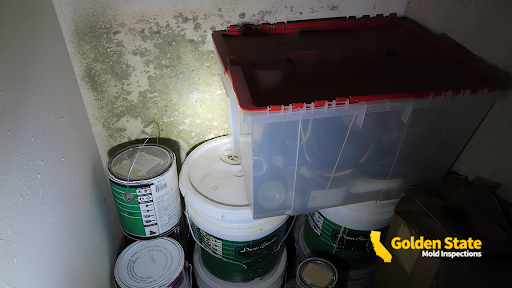
- Plastic storage bins and other sealed plastic items
- Non-upholstered furniture with hard surfaces
- Hard flooring such as tile, vinyl, or sealed hardwood
- Metal fixtures and hardware, which mold cannot penetrate
A light sanding after cleaning can remove any staining left behind on solid wood.
When to Wait Before Throwing Anything Out
Not every decision needs to happen immediately. Items tied to an active insurance claim should stay in place, photographed and documented, until an adjuster has reviewed the damage. Throwing something away before that review can complicate or delay a payout.
Sentimental or valuable items are also worth pausing on before deciding. Guidance from the University of Florida Environmental Health and Safety office notes that expensive or sentimental items are sometimes worth a specialist’s opinion first. That opinion can come before assuming the item cannot be saved at all. A specialist familiar with textiles, art, or antique furniture may have options a general cleanup crew would not consider.
How to Dispose of Moldy Materials Safely
Getting moldy material out of the house is its own task, and doing it carelessly can spread the problem to clean rooms. A few basic steps keep spores contained on the way out.
Bagging and Handling
Moldy material still needs careful handling on its way out the door, even when it is clearly headed for the trash:
- Seal smaller items in plastic bags before moving them through the house
- Wrap larger pieces tightly in plastic sheeting and tape them shut
- Wear gloves when handling moldy material, since bare skin contact can spread spores to clothing
- Carry sealed items directly outside rather than setting them down in unaffected rooms
Ventilation During Removal
Ventilate the work area while removing materials, since the process of pulling out moldy drywall or carpet disturbs spores that have settled over time. Opening windows and running fans helps push spores outdoors rather than letting them resettle elsewhere in the home.
Where It Actually Goes
Mold-contaminated household waste is generally treated as ordinary trash rather than hazardous material, so a standard disposal bin usually works once items are properly bagged. Local rules can vary slightly by city, so checking with a waste hauler before a large cleanout is worth the extra call. This matters most for bulky items like carpet rolls or full sheets of drywall.
What This Means for Your Remediation Plan
A clear picture of what needs to go and what can stay shapes the entire remediation budget before work even starts. The abatement scope of work prepared after an inspection lays out which materials a contractor should remove versus clean. Nothing gets guessed at once the work begins.
Mold inspections near me clients who go in with this list already sorted tend to get more accurate contractor bids. The scope of demolition is already defined rather than left open to interpretation.
Not Sure What to Save? Get a Clear Answer Before You Toss Anything
Guessing wrong in either direction gets expensive, whether that means tossing something salvageable or trying to save something that was never coming back. Golden State Mold Inspections can walk a property room by room and give a straight answer on what to keep.