

Living near a busy road or having loud neighbors is exhausting. Most people try to solve this environmental problem by putting up a standard six-foot wooden privacy fence. The problem is that a half-inch plank of pine does absolutely nothing to stop the roar of highway traffic or the low-frequency bass of a backyard stereo. Wood just vibrates and lets the sound waves pass right through to your patio.
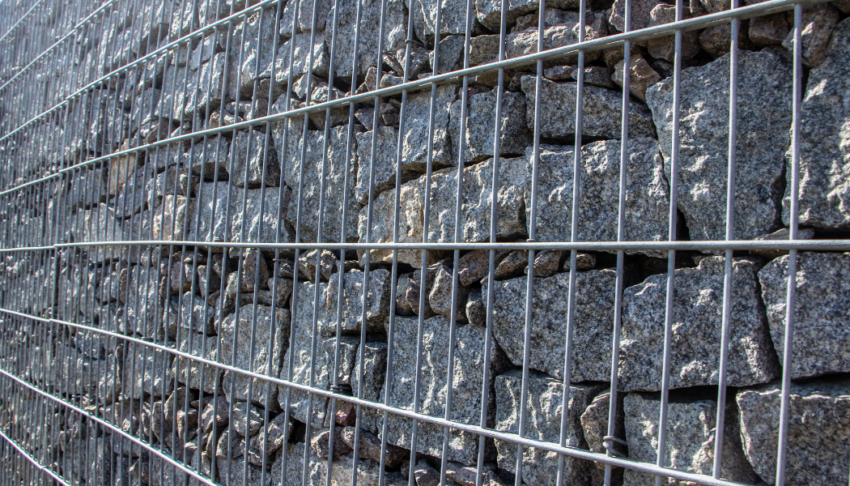
If you are serious about reclaiming the peace and quiet of your backyard, you have to completely rethink your boundary lines. You need mass, and the most effective way to build mass without pouring a brutal, expensive solid concrete wall is by using heavy-duty gabion products to build a dense stone barrier.
Building a wire and stone fence changes the entire acoustic profile of your property, but it is a massive structural undertaking. You cannot just stack rocks six feet high and hope they stay upright. If you want to build a permanent, sound-deadening privacy wall that will not tip over and crush your landscaping, here is exactly how to engineer the build.
1. The Physics of Stopping Noise
To stop environmental sound, you need extreme density. A standard privacy fence is basically a giant wooden drum. It might block the visual line of sight so your neighbors cannot see you, but the low-frequency rumble of truck tires easily penetrates the thin, lightweight material.
A stone-filled basket works entirely differently. When you stack two or three feet of dense, irregular rock, you create a massive acoustic trap. The sound waves hit the highly textured face of the rocks and scatter in multiple directions, while the sheer physical mass of the stone absorbs the heavy vibrations.
Instead of the noise bouncing over the fence or passing through it, the sound energy simply dies inside the heavy rock wall. This can drop the decibel level of a busy street to a quiet, manageable background hum.
2. Respecting the Height-to-Width Ratio
Building a short retaining wall is relatively simple, but building a six-foot privacy wall requires strict structural math. You cannot just stack narrow wire baskets indefinitely.
The general engineering rule of thumb for a freestanding, gravity-held stone wall is that the total height cannot exceed twice the width of the base. If you want a massive six-foot-tall privacy wall, your base baskets need to be at least three feet wide. This incredibly wide base prevents the massive, top-heavy weight of the rocks from toppling over in high winds or shifting during a heavy rainstorm.
3. Cheating the Ratio With Internal Posts
Many homeowners simply do not want to sacrifice three entire feet of their yard just to build a boundary fence. If you want a tall, narrow stone wall—say, six feet tall but only one foot wide—you absolutely must use internal structural supports to keep it from failing.
You achieve this by digging post holes, pouring concrete footings, and setting heavy-duty galvanized steel poles exactly like you would for a traditional wooden fence. The difference is that you then slide the empty wire baskets directly down over the steel poles. Once you fill the baskets with rock, the steel poles are completely hidden inside the center of the wall. This gives your narrow, space-saving barrier the invisible backbone it needs to stand perfectly straight for decades.
4. Packing the Right Stone for Silence
If your primary goal is blocking road noise, the size of the rock you choose matters just as much as the thickness of the wire basket.
Large, bulky boulders leave massive air gaps between them. Sound waves will easily travel straight through those empty voids. To build a true acoustic barrier, you need to use smaller, tightly packed angular stones. Crushed limestone or recycled concrete works perfectly for privacy walls because the jagged edges lock tightly together as you fill the basket. This minimizes the empty air space and creates a nearly solid, impenetrable wall of mass that blocks the maximum amount of noise.
5. Zero Maintenance and Maximum Lifespan
Think about the agonizing lifecycle of a wooden fence. Every three years, you are out in the yard with a pressure washer and a bucket of toxic stain, spending your entire weekend trying to stop the wood from rotting. High winds snap the wooden panels, and ground moisture eventually rots the posts right at the soil line.
A stone wall requires absolutely zero weekend maintenance. The heavy-duty galvanized or PVC-coated steel wire is engineered specifically to resist rust in harsh weather conditions, and rocks obviously do not rot, fade, or require painting. Once you pack the last stone into place and crimp the heavy wire lid shut, the privacy wall is finished for the rest of your lifetime.
A Gabion Privacy Wall
You do not have to accept living next to a loud, busy road, and you do not have to settle for flimsy wooden panels that blow down in the next major storm. A gabion privacy wall gives your property a high-end, modern architectural look while acting as an impenetrable fortress against noise pollution. Stop spending your summers painting wooden pickets. Map out your boundary line, set your internal steel posts, and build a wall that actually solves your noise problem permanently.