

Sitting down at a favorite seafood restaurant and reading through the menu is always a great experience. You might decide on a pan-seared halibut, a towering raw bar platter, or a comforting bowl of fresh clam chowder. While the executive chef usually gets all the credit for the beautiful final presentation, the journey of that meal started long before it ever reached the kitchen doors.
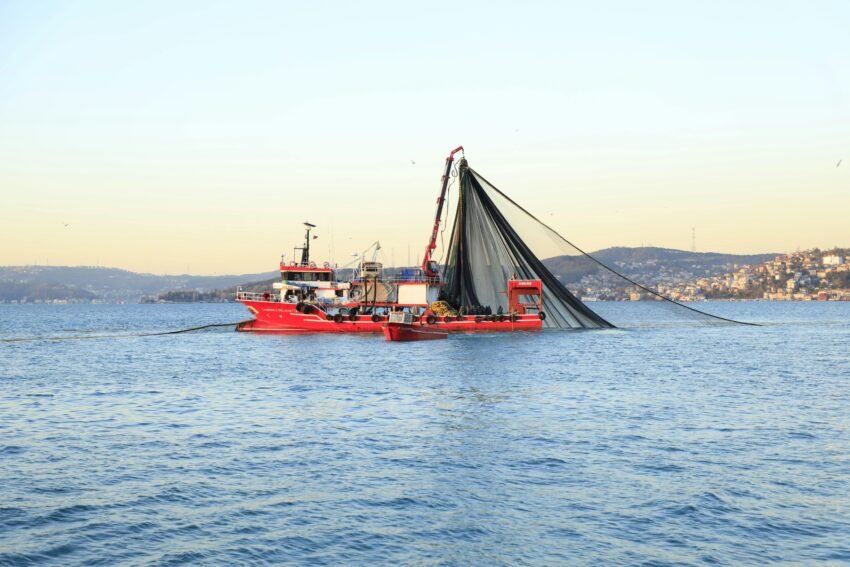
The restaurant industry relies entirely on the dedication of commercial crews working miles offshore. These men and women face unpredictable weather, long hours, and challenging conditions, relying on durable commercial fishing equipment to haul in the daily catch safely and efficiently. Without the hard work happening out on the open water, the vibrant seafood dining scene we enjoy on land simply wouldn’t exist.
The Foundation of Seafood Menus
It’s easy to forget that a restaurant’s supply chain isn’t just a delivery truck backing up to the loading dock. For any seafood-focused establishment, that supply chain is a complex, physical network that begins on the deck of a boat. Commercial fleets are the literal backbone of the seafood dining experience. Whether a diner is ordering a simple fried fish sandwich at a casual coastal shack or an intricate sushi roll at a high-end metropolitan bistro, the core ingredient was pulled from the ocean by a professional crew.
Chefs design their entire seasonal menus around the expected yield from these fleets. When certain species are running, restaurants plan their daily specials to highlight the fresh catch. If a severe storm keeps the boats docked for several days, the kitchen feels the impact immediately. Chefs often have to cross popular items off the menu before dinner service even begins because they can’t source the ingredients. The consistency of a restaurant’s offerings is directly tied to the success of the commercial vessels operating off the coast.
The Race Against the Clock
Seafood is arguably the most time-sensitive ingredient in the culinary world. The moment a fish is brought over the rail, a ticking clock starts. Quality and freshness are everything in a restaurant setting. To meet the incredibly high standards of top-tier chefs, the fishing industry has perfected the art of cold chain logistics.
Crews work quickly to clean, ice, and store their haul in the boat’s hold the second it comes aboard. Once the vessel reaches the dock, the urgency continues. Distributors take over, rushing the product to local markets or loading it onto refrigerated cargo flights for inland destinations. By the time a chef inspects a whole salmon or a crate of oysters at the back door of their restaurant, they’re looking at the result of a highly coordinated race against time. The speed and efficiency of the commercial fishing sector directly determine the flavor, texture, and overall quality of the meal that ends up on your plate. If there’s a delay anywhere in that chain, the restaurant can’t serve the product.
Driving Culinary Trends and Sustainability
The relationship between the people who catch the fish and the people who cook it is a two-way street. In recent years, diners have become much more conscious about where their food comes from. They want to know that their meal was sourced responsibly and that they aren’t contributing to the depletion of our oceans. This consumer shift has prompted chefs to work closely with commercial fisheries that prioritize sustainable, well-managed practices.
When fishing regulators adjust quotas to protect a certain vulnerable species, chefs adapt by introducing alternative, lesser-known fish to their customers. If a commercial crew brings in an abundance of a specific bycatch that is delicious but historically underutilized, creative chefs will find a way to make it a popular special. We see this with species like monkfish or certain types of mackerel that were once ignored but are now featured in fine dining establishments. This ongoing partnership helps protect fragile ocean ecosystems while simultaneously expanding the public’s palate beyond the standard cod and tuna options.
The Shared Economic Ecosystem
The connection between these two dynamic industries goes far beyond the food itself. They form a shared economic ecosystem that supports countless jobs from the coast to the heartland. A bustling seafood restaurant employs hosts, servers, bartenders, and line cooks. But that single restaurant also supports the deckhands, the boat captains, the dockworkers, and the processing facility employees who prepared the catch.
When people choose to spend their hard-earned money on a seafood dinner, they’re injecting cash into a supply chain that keeps historic coastal communities thriving. The success of a popular waterfront eatery directly translates to steady paychecks for the crews heading out to sea the next morning. Furthermore, this economic loop supports secondary businesses like boat repair shops, marine fuel stations, and local ice houses. They depend on each other for survival, creating a deeply connected web of employment that spans across the country.
From the Open Ocean to Your Table
The restaurant industry is built on a foundation of fresh, high-quality ingredients, and nothing embodies that core principle quite like wild-caught seafood. The next time you sit down to enjoy a perfectly cooked piece of fish or a fresh shrimp cocktail, take a moment to think about the incredible journey it took to get there. It takes a tremendous amount of labor, skill, and careful coordination to bridge the gap between the open ocean and the dining room table. The commercial fleets braving the elements are the true starting point of the culinary experience, ensuring that chefs have exactly what they need to create memorable meals for everyone.